Quinoa Chickpea Cakes

quinoa cakesWe hear a lot the dietary fiber is crucial for optimal elimination of toxins and regular bowel movements. But did you know that fiber also eliminates excess estrogen in your body? Insoluble fibre binds to excess estrogen in the digestive tract, which is then excreted by the body.

Estrogen balance is essential for achieving and maintaining fat loss. In men and pre-menopausal women, too much estrogen can cause toxic fat gain, water retention, bloating, and a host of other health and wellness issues. In fact, excess estrogen is as much a risk factor for obesity. Of course, there is a number of reasons why you get estrogen dominance – an exposure to estrogen-like compounds in foods that contain toxic pesticides, herbicides, and growth hormones, use of birth control pills and HRT, digestion issues, stress, poor diet and lifestyle. Symptoms of estrogen dominance is too much fat around your middle section and difficulty losing weight. It might even cause breast and prostate cancer.

So, you can see here how important your gut health is for a healthy body. Fibre is so crucial to remove all the waste out of your body. It is recommended that women from age 19-50 get 25 gram of fiber in a day. Good sources include wheat bran, corn bran, rice bran, the skins of fruits and vegetables (apples, pears, berries, tomatoes, eggplant, zucchini and carrots), nuts (especially almonds), seeds (particularly sunflower seeds), soybeans, dried beans, and whole-grain foods. Ask yourself at the end of the day, have I had enough fiber today?

This quinoa chickpea cake recipe is packed with gut loving fiber. Even better with fresh greens on the side. Delicious!
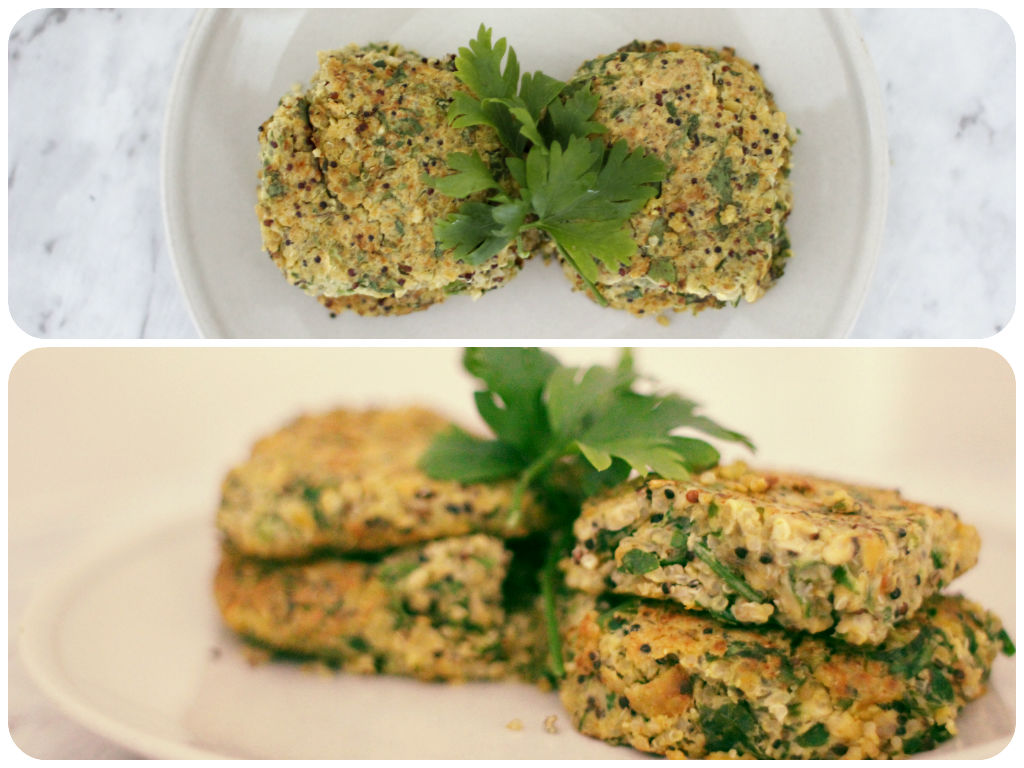
quinoa cakes1Ingredients (4 cakes)

50g quinoa
50g chickpeas, soaked overnight
a bunch of parsley, finely chopped
1/2 tsp minced garlic
1 tbsp oat flour
1 egg
1/2 tsp cayenne pepper
a pinch of Himalayan salt
coconut oil for frying

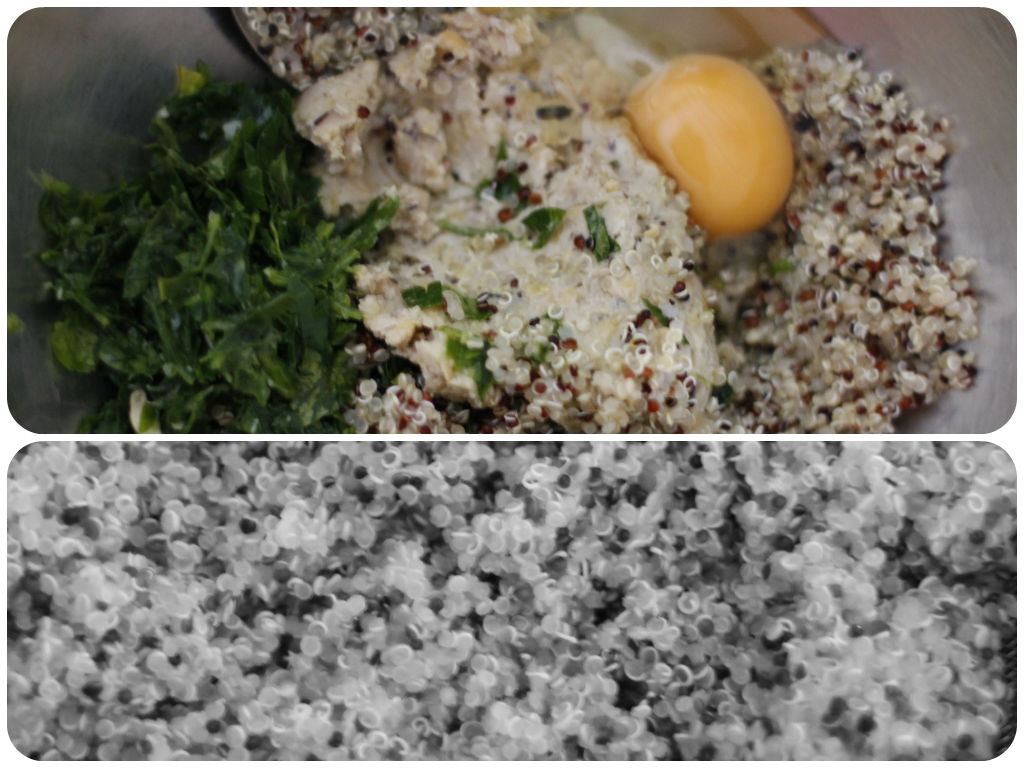
Rinse thoroughly and cook quinoa in a boiling water for 20 minutes or until cooked. Drain and set aside. Cook soaked chickpeas in a boiling water until soft and blend in a food processor until you get a paste consistency. Add all ingredients in a large bowl and stir to combine. Add a bit more flour if the mixture is too wet. Cover and rest in the fridge for 30 minutes. Take it out of the fridge and shape the mixture into little patties. Heat coconut oil in a pan over medium heat. Cook the patties for 2-3 minutes each side or until golden brown. Be gentle when you flip. Drain on a paper towel if needed.
Vegan Banh Mi Salad

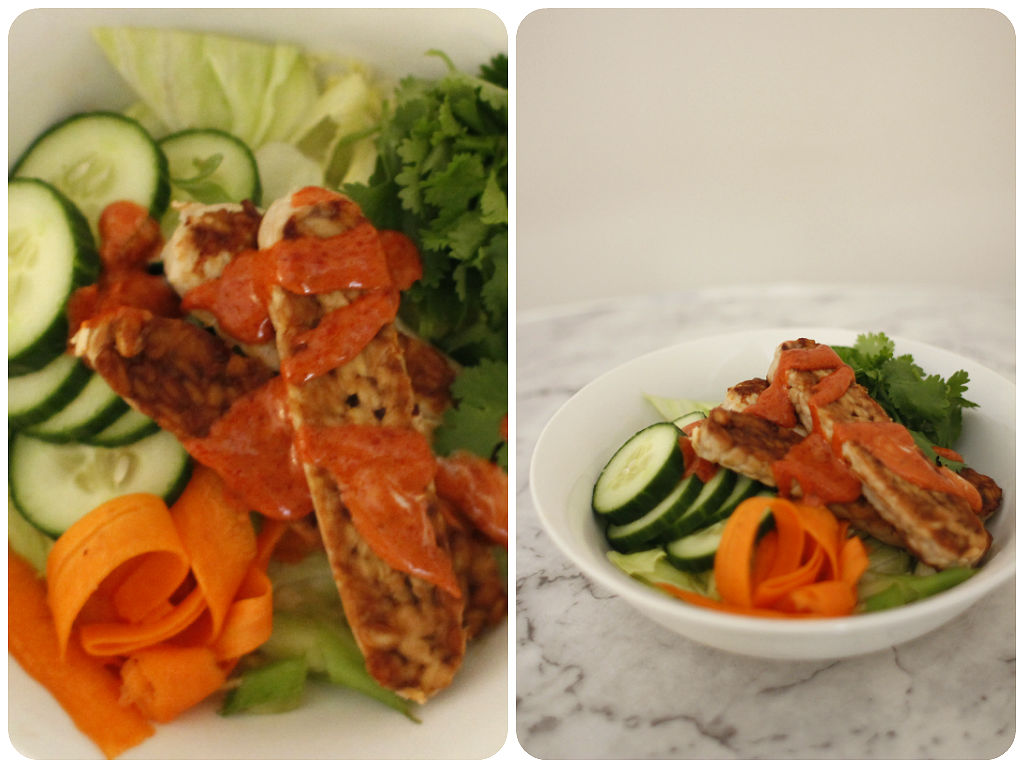
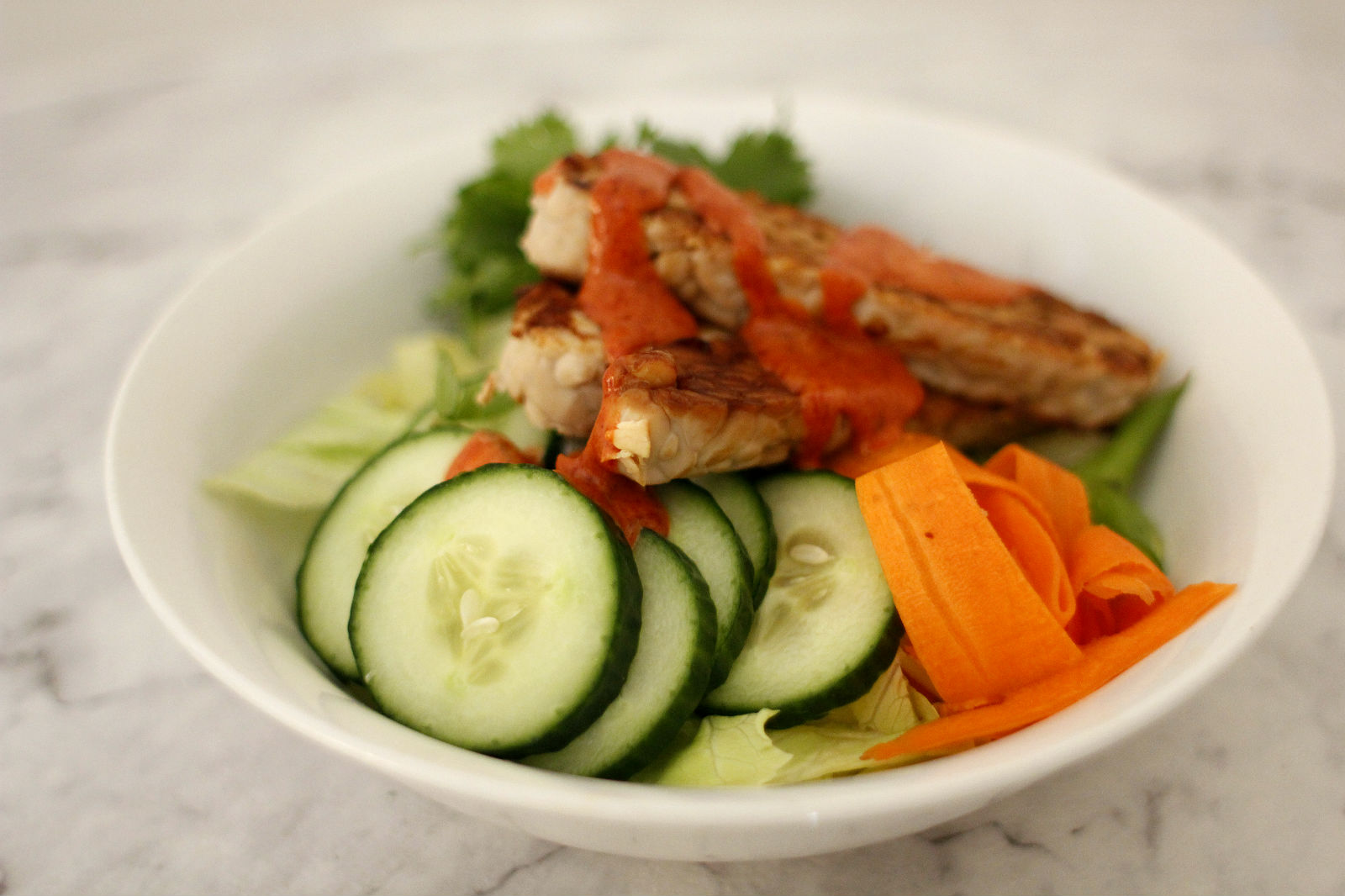
Banh Mi SaladHave you heard of Banh Mi sandwich before? I have, but never tried. The Banh Mi translates to bread of baguette in Vietnamese. It is a French-Vietnamese fusion food born during the French colonisation of Vietnam. It is a crisp baguette commonly filled with barbeque pork, pickled carrots, cucumbers, coriander, jalapeno and the occasional spread of pate with a drizzle of sriracha sauce. My version of Banh Mi is a deconstructed, gluten-free and vegan salad with a Korean Gochujang dressing. It is light, crisp, fresh, healthy and loaded with flavour. You wouldn’t miss the bread or meat. If you are on the go, you can use this salad as fillings for sandwich, wrap or spring rolls in your lunch box.
Banh Mi Salad1Ingredients

For the tempeh
100g plain tempeh
1 tsp coconut amino sauce or tamari
1/2 tsp fish sauce
1/2 tsp honey
1/2 tsp grated ginger
1/2 tsp minced garlic
a squeeze of lemon
salt and pepper to taste
1 tsp of coconut oil for frying

For other fillings
1/2 cup chopped lettuce leaves
1/2 cup sliced and pickled carrot
1/2 cup sliced cucumber
chopped spring onion
a bunch of coriander

For dressing
1 tsp thick Greek natural yogurt
1/2 tsp Gochujang paste
1/2 tsp rice vinegar
salt and pepper to taste

Thinly slice tempeh and marinate in the sauce for 10 minutes. In the mean time, prepare vegetables and dressing. Heat coconut oil in a frying pan and add marinated tempeh. Cook for a couple of minutes each side. To assemble, put your salad veggies on a plate, top with the tempeh and a drizzle of the dressing.

Raw Shaved Asparagus Salad with Marinated Mushrooms

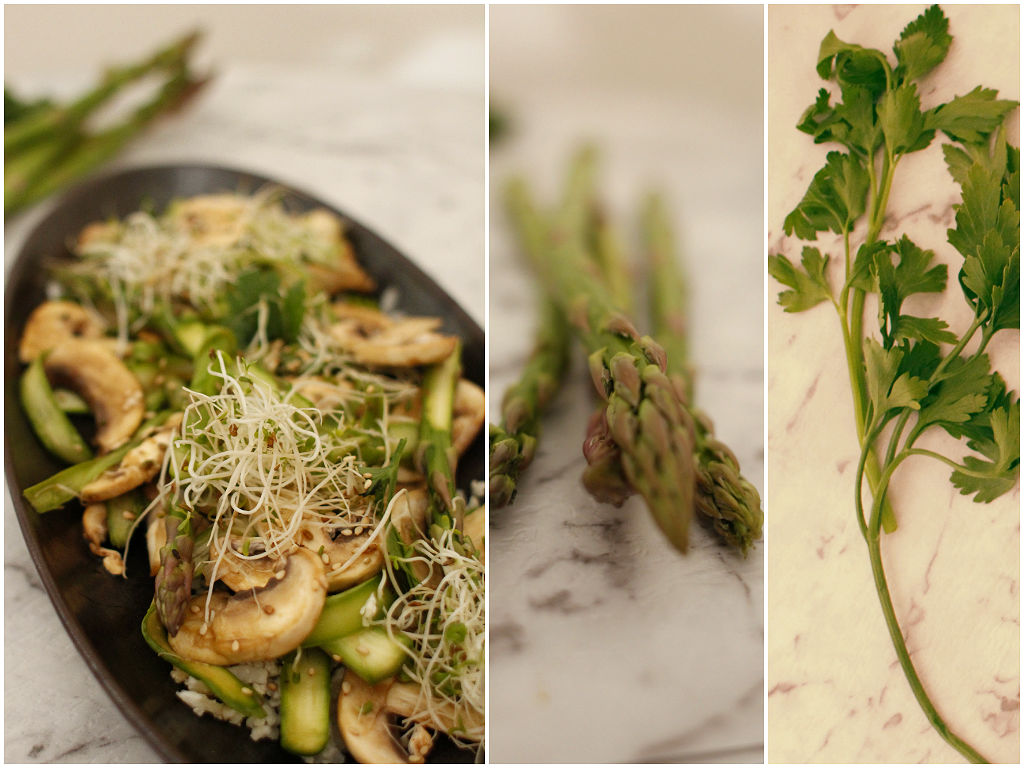
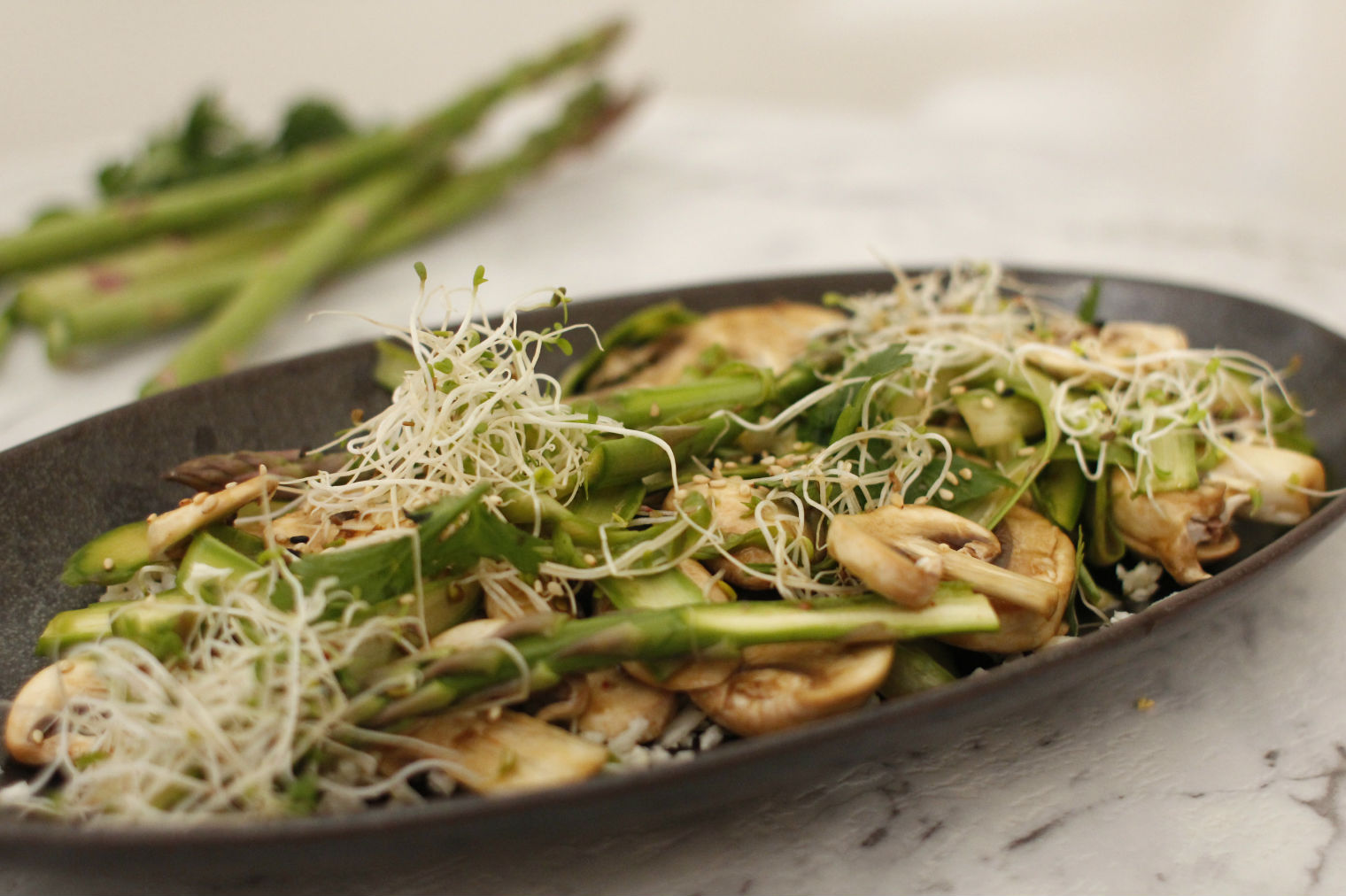
raw asparagus saladAsparagus is loaded with good nutrition. It is a good source of fiber and protein, and essential for good digestion and immunity. It also contains a number of anti-inflammatory compounds, antioxidants for anti-aging, vitamin K for healthy blood clotting and bones, vitamin B for stable blood sugar level, vitamin A for better eye sight and potassium for kidney function. Glutathione in asparagus is a detoxifying compound that helps break down carcinogens and other harmful compounds like free radicals. It contains high levels of the amino acid asparagine, which is a natural diuretic and fantastic for fluid retention in some people.

Unfortunately, asparagus do loose nutrients as they cook, so there’s no doubt eating asparagus raw will give you the most benefits when it comes to nutritional value. It is important to know though which methods are the best to avoid substantial loss. If you choose to cook them, first of all, no overcooking your veggies! Best cooking method is steaming which preserves a lot of nutrition in them. Next is grilling al dente. It should be still firm. No boiling! unless you drink all that boiling water, too >.<

This recipe is using marinated raw mushrooms, but if you don’t like the taste of raw mushrooms, feel free to lightly grill them instead.

Ingredients

1 bunch of asparagus
300g button mushrooms
1 cauliflower floret
1 small bunch of flat leaf parsley
1 tbsp coconut amino sauce
salt and pepper to taste
1 tsp sesame seeds
alfalfa sprouts for garnish

Grate cauliflower using a box grater to make a cauliflower rice. Wash and shave asparagus into thin strips. Wash and roughly chop parsley. Marinate thinly sliced mushrooms in coconut amino sauce, salt and pepper for 10-20 minutes. To assemble, gently toss marinated mushrooms, parsley and shaved asparagus, put over the bed of cauliflower rice. Garnish with alfalfa sprouts and sprinkle sesame seeds. Drizzle more amino sauce if you desire.
raw asparagus salad1

Stuffed Sweet Potatoes

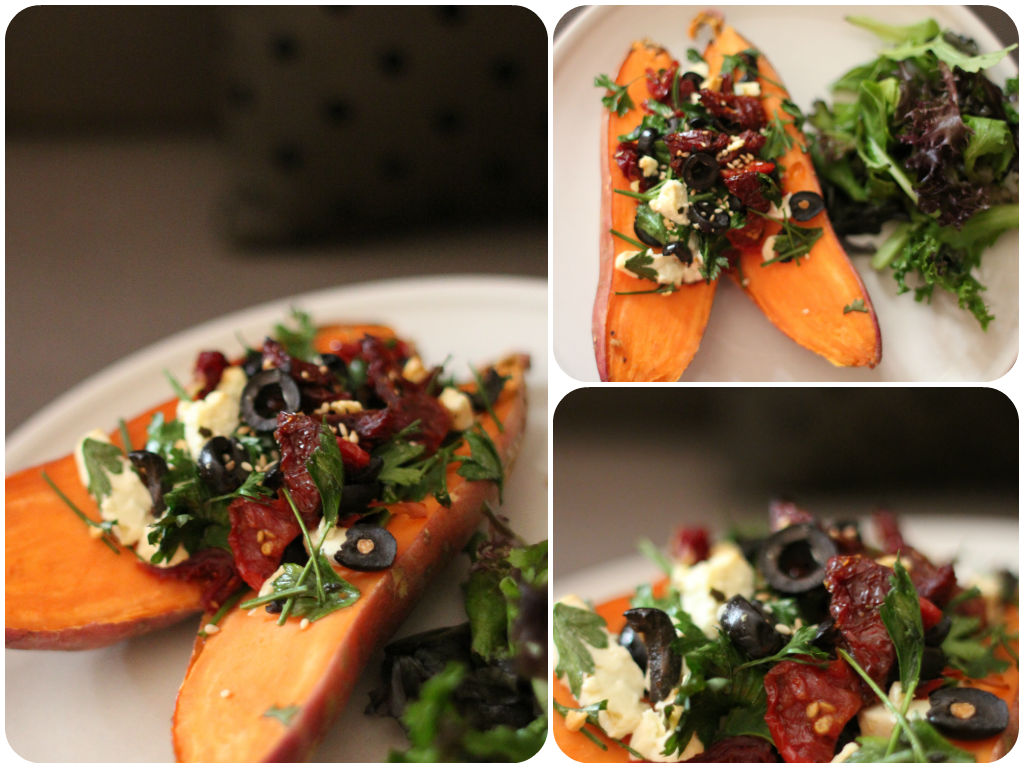
When it comes to comforting winter snack or meal, I think of my childhood. Sweet potatoes are one of my favorite veggies. They are golden and sweet when baked. In cold winter days, my mum used to make baked sweet potatoes in the oven. They are wrapped in news papers so that they don’t dry out too much while cooking. After a long long wait about an hour, you open a parcel like opening a present. You have to be careful because of hot, very hot steam comes right out on your face. I just cannot wait to dig in so I don’t even feel my fingers burning, but I know it is best biting into it when it’s hot. Chewy outside but incredibly moist and sweet inside. Very comforting and warming winter snack! Oh, I miss winter in Korea. As simple as can be, these baked sweet potatoes are stuffed with feta, sun-dried tomatoes – the tastes of the Mediterranean. Don’t peel the skin for extra nutrition that sweet potatoes can offer. Sweet potatoes have more vitamin A, vitamin C and more fiber than normal potatoes. The color-related pigments in sweet potatoes (orange, purple) are valuable for their anti-inflammatory health benefits. They are also excellent for your digestion.
Stuffed Sweet PotatoIngredients

2 sweet potatoes
50g feta cheese
1/2 onion
chopped black pitted olives
2 large sun-dried tomatoes
chopped parsley
1 tsp of cumin
1/2 tsp of cayenne pepper
1 tsp of coconut oil
1 tsp of Himalayan salt

Pierce each sweet potato several times and place them directly on middle oven rack. Bake until the sweet potatoes are easily pierced with a knife and cooked through, about 45-60 minutes depending on size. Remove from oven and let stand until cool enough to handle. While the sweet potatoes are baking, make the topping. Cook sliced onion with coconut oil in a pan until caramelised. Mix together remaining ingredients in a small bowl and set aside until the sweet potatoes are done. Slice sweet potatoes lengthwise down the center to expose cooked insides, top with feta mixture and serve.

Rice Noodle Salad

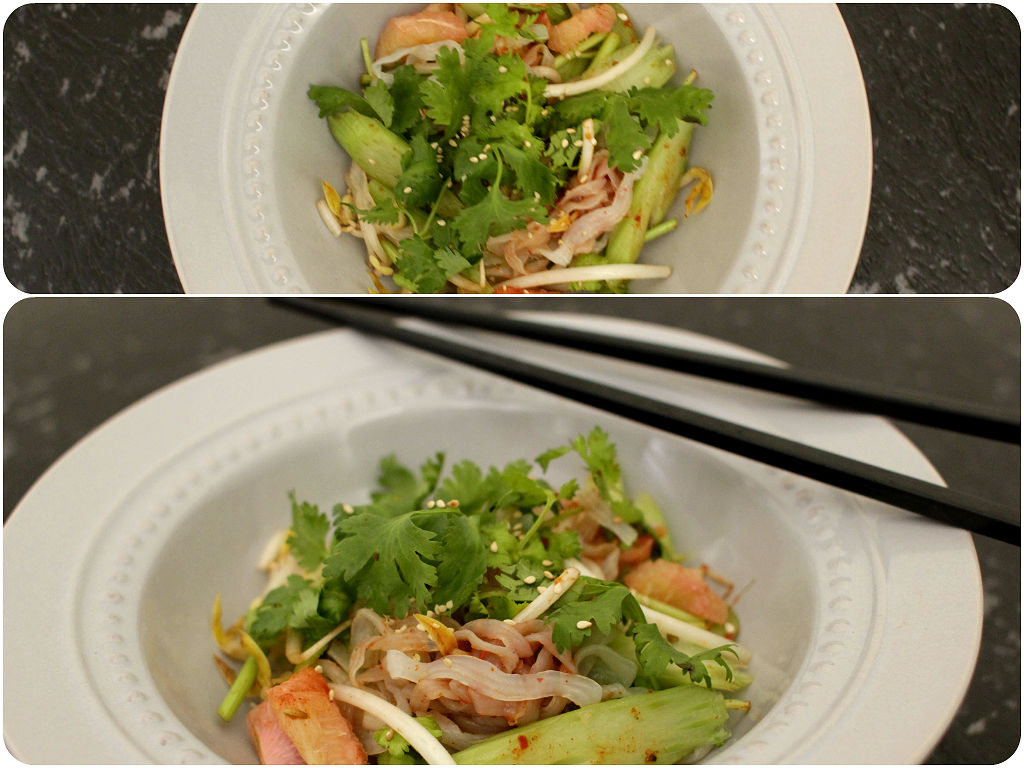
Rice noodle salad is something I make on emergency or out of the blue. I pretty much have all ingredients ready in my fridge and pantry. Although it is a relatively easy dish to make, the freshness from veggies and herbs plus a beautiful Asian dressing makes it so special and flavoursome.

Coriander is one of my favorite herbs in Asian dish. Did you know it actually belongs to a carrot family? It is rich in essential vitamins and minerals – Vitamin A, B, C, K, iron, magnesium, potassium and calcium. Your skin loves coriander because it reduces acne and provides protection from eczema, dryness and fungal infections. The rich aroma helps in the proper secretion of enzymes and digestive juices in the stomach, helping your digestion. Good news for women? it helps regulate proper menstrual cycles and reduces the associated pain during period. It also helps to regulate your blood sugar level, blood pressure and cholesterol levels. Such a shame I tried to grow them in my garden a few times, but all failed! In fact, I didn’t have much luck with basil and parsley either. I don’t think they like me 🙁 Does anyone have some good tips with gardening?

Rice Noodle SaladIngredients

1 cup of rice noodles
1 stalk of celery
1/2 cup of bean sprouts
1/2 cup of shredded cabbage
1/2 of grapefruit sliced
a bunch of coriander

For dressing
1 tsp of tamari
1 tsp of rice vinegar
1 tsp of chilli flakes
1 tsp of sesame oil
1 tsp of sesame seeds
salt and pepper to taste

Cook the rice noodles in a boiling water for a few minutes until tender, drain, rinse under cold water and set aside. Finely shred cabbage, slice celery, desegment grapefruit and roughly chop coriander. Mix cooked noodles and prepared vegetables in a large bowl. Pour the half of the dressing into a bowl and gently toss to combine. Transfer to a serving bowl and drizzle the rest of the dressing over the salad.