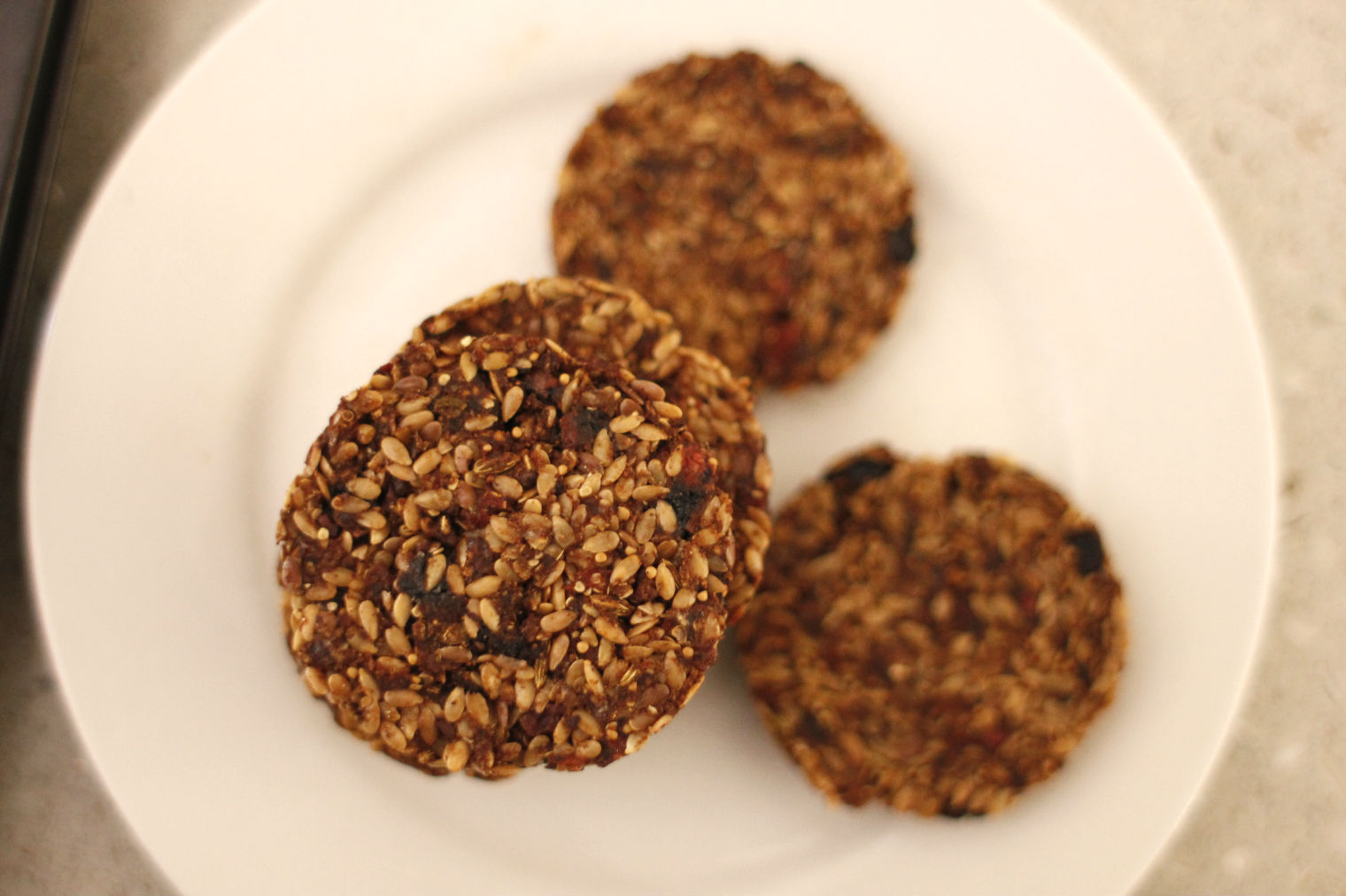
Raw Flax-Carob Cookies

flax carob cookiesThese raw flax-carob cookies are easy to make and super nutritious. Not only are they yummy, they are extremely efficient anti-inflammatory agents, are anti-cancer, high in fibre and good for our skin. Flaxseeds are naturally very high in the omega-3 essential fatty acid alpha-linolenic acid (ALA). These ALA’s are beneficial in treating a range of ailments, including reducing the risk of heart disease and cancer, acne, arthritis, asthma, inflammatory bowel disease, burns, depression and menstrual pain. Flaxseeds also have a natural laxative effect and naturally swell in the digestive tract, helping to remove the waste out of the body. Make sure to drink enough water though, otherwise they may have the opposite effect!

For this yummy snack, I used dried fruits for the sweetness and spices for the flavour. Taste the mixture after combining all together and if you want it sweeter, you can add your favorite sweetener such as honey or coconut sugar.
flax carob cookies1Ingredients

50g flaxseed
50g carob powder
5 semi-dried figs (if using hard ones, soak them before use)
1 tsp molasses
1 tbsp goji berries
1 tbsp raisin
1 tsp cinnamon
1 tsp ginger
1/2 tsp nutmeg
a pinch of Himalayan salt
1-2 tbsp water

Put all ingredients in your food processor and blend until the mixture comes together. Let it sit for 30 minutes. Spoon the mixture into a 6x muffin tin and press with the back of the spoon. Dehydrate it or put it in the oven at the lowest setting for a few hours.

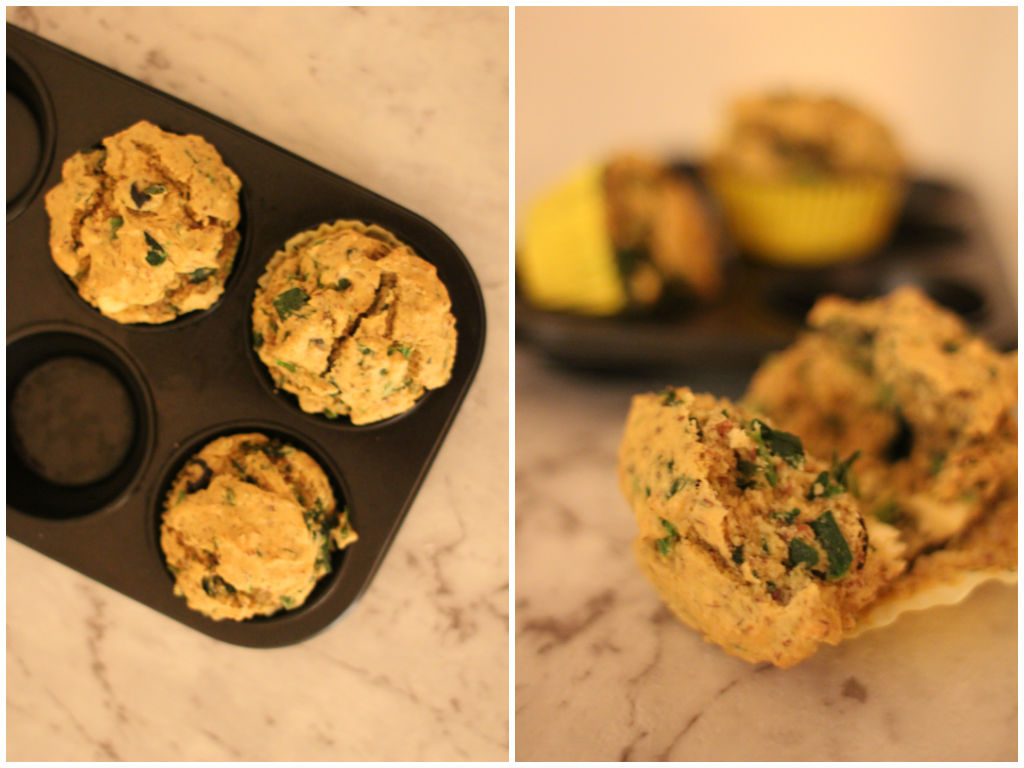
GF Lupin Savoury Muffins

When I went to one of my favorite local health food shops today, I came across lupin flour. Have you heard of it? I’ve seen lupin beans at Kakulas brothers, but not the flour. I couldn’t resist myself taking some home for a little gluten free baking experiment.

Lupin or Lupini beans are yellow legume seeds of the lupinus genus plant, a common food of the Mediterranean basin and Latin America. Flour from the lupini bean has many health benefits such as high dietary fiber, high protein, no starch, non-GMO, and a low glycemic index. It helps manage hunger throughout the day as well as provides higher brain function. It is also naturally gluten-free. Yay!

The problem with gluten-free baking is that it can have a weird texture, or the hint of a strange flavour. It is best to swap half of the flour in your favorite bread or cookie recipe with lupin flour. It is on the salty savoury side so skip adding any additional salt. And it has a texture closer to cornmeal so extra moisture is also helpful. I wanted to bake something savoury using lupin flour today. Spinach, feta cheese, black olives and thyme sounds good to me! These muffins are packed with protein – great for breakfast! I only made three for experiment, but feel free to double up the recipe and make 6 muffins.
Lupin muffinsIngredients

50g lupin flour
50g buckwheat flour
20g flaxseed meal
1 tsp baking powder
1/2 tsp baking soda
1/2 tsp cayenne pepper
30g feta cheese, crumbled
10 black pitted olives, chopped
1/2 cup of baby spinach, chopped
1 tsp thyme
2 large eggs
40ml of olive oil
a pinch of salt

Lightly beat eggs and olive oil in a large bowl. Add all dry ingredients in and stir to combine. Add crumbled feta, chopped olives and spinach, and thyme into the mixture and stir until combined. Spoon the mixture into a muffin tins and bake in the preheated oven (180) for 20-25 minutes until cooked.

Mushroom Hummus

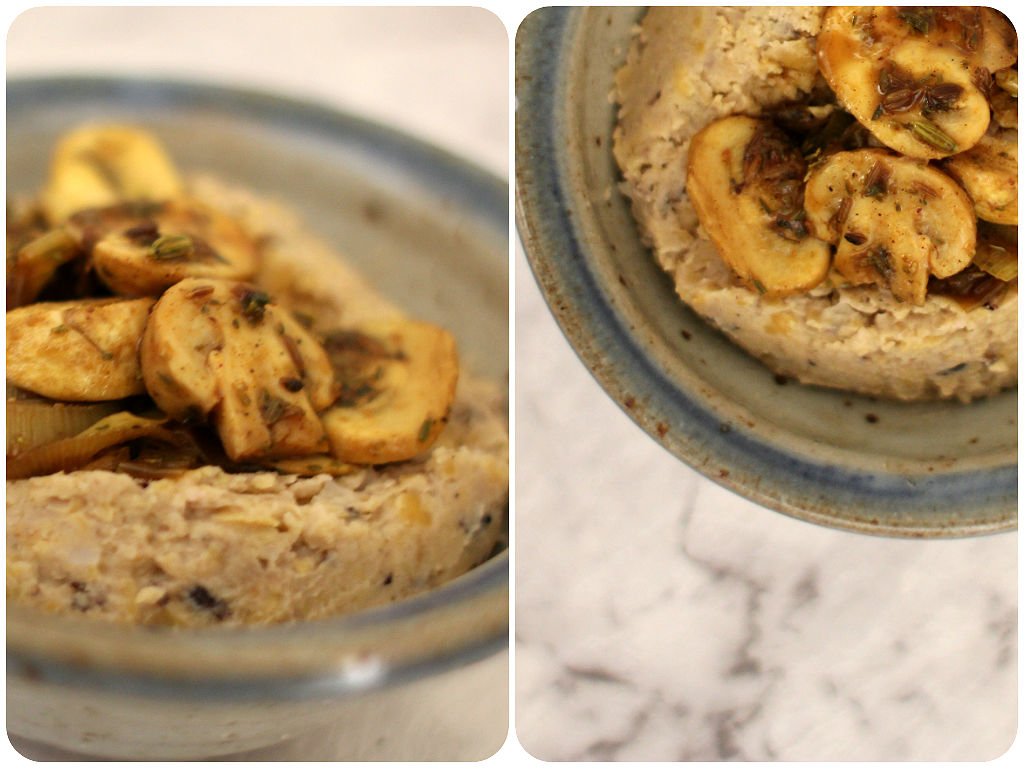
Mushroom hummusThe recipe for hummus is a simple mixture of chickpeas, tahini, garlic, lemon and salt, but there are so many different ways of making it. Here is my way with a healthy twist. I almost always cook my beans and grains from scratch. Canned ones have unnecessary sodium and preservatives inside and don’t taste as good as fresh ones. So soak your bean overnight if you can. I left all the skin of the chickpeas for extra fibre and chunky texture, but you can choose to peel off the skin if you want smooth hummus. I’ve added only a table spoon of olive oil in the recipe. If you need, add water little by little to loosen the hummus mixture and then drizzle olive oil on top to serve. It is a perfect delicious appetiser with some raw veggies or crackers.

Adding cooked mushrooms and leek adds extra flavour and lightens up the hummus. Of course, nutritionally good, as well. Mushrooms are one of the most powerful natural medicines and play an important role in keeping the immune system strong, helping to fight off viruses and bacteria. They contain powerful phytochemicals that may assist those with autoimmune disorders, and both anti-inflammatory and anti-cancer components. They are a rich source of B vitamins and also a good source of vitamin D, especially when sun dried. Finally, mushrooms are filling but low-calorie and low-fat, great for weight loss. Try to use a variety of mushrooms in your salads, stir-fries, soup, risotto, casserole and even pate. Delicious and good for you!
mushroom hummus1Ingredients

100g dried chickpeas, soaked overnight
300g button mushrooms
1/2 cup chopped leek
1 tbsp coconut oil
1 tbsp tahini paste
1 tsp cumin
1/2 tsp smoked paprika
1 tsp Himalayan salt
1/2 tsp minced garlic
1 tbsp olive oil
a squeeze of lemon

Cook soaked chickpeas in a boiling water for 20-30 minutes until soft. Drain and set aside. Heat coconut oil in a frying pan. Add sliced mushrooms, chopped leek, cumin, paprika, salt and garlic into a pan and cook for 10-15 minutes until cooked. Put cooked chickpeas, tahini paste, olive oil and mushroom mixture into your food processor. Blend until you get a desired texture. Add a bit of water if hummus is too thick. Taste and adjust seasoning. Transfer to a serving bowl and drizzle more oil if you like. I saved a bit of cooked mushrooms for garnish. Serve with raw veggies or crackers.


Smokey Carrot and Split Pea Dip

Do you ever read food labels when you shop? I do and that is why it takes a bit of time for me to do grocery shopping. Yes, I rather go shopping by myself because my hubby can get very frustrated with me at the shops. Don’t get tricked by anything on the front of the package such as “low fat”, “reduced salt” or “good source of calcium”. Remember, they are selling the products, don’t much care about your health! Nutrition information panel at the back provides correct information on the amount of calories, protein, fat, carbohydrates and sodium. This information should help you to decide what food to buy and compare between products. There are two columns of the nutrition information – per servings and per 100g. I normally go for per 100g column which is easier for me to compare products since they have different suggested serving sizes. They might also list percentage daily intake information which refers to how much an average adult should eat in one day. Most women and children would need less than this.

Calories: a measure of how much energy you get from a serving of this food.
Fat: Healthier options have less than 5g total fat per 100g or 5–10g total fat per 100g if saturated fat is less than 1/2 total fat.
Sodium: Daily requirement is 500mg/day.Healthier options have less than 450mg sodium per 100g. Low sodium foods have less than 120mg sodium per 100g.
Carbs: Watch the sources of the sugars are. Total sugar could be from natural sugar of the product, so check the ingredients listing in order to avoid all added sugars.
Fiber: Adults should eat 30-40g of fibre per day. Aim for products that carry >3g per 100 calories.
Ingredients, additives, allergens: Read these as well, especially if you have food allergies such as eggs, soy, gluten and nuts. If you cannot pronounce any of the names there, do not buy.
Gluten free products: Read the labels as well. Gluten free doesn’t mean healthy. Quite often they put all kinds of chemicals to create the structural and textural integrity similar to that of a gluten product.
Fortified or enriched: Misleading! It is processed with synthetic minerals and vitamins.

I guess you need to practice and get a habit of reading food labels. More importantly, if you are buying fresh fruits, vegetables, eggs, fish and meat, you don’t need to worry about reading food labels. Try to buy wholesome fresh food as much as you can rather than packaged foods such as cans, jars, boxes, etc.
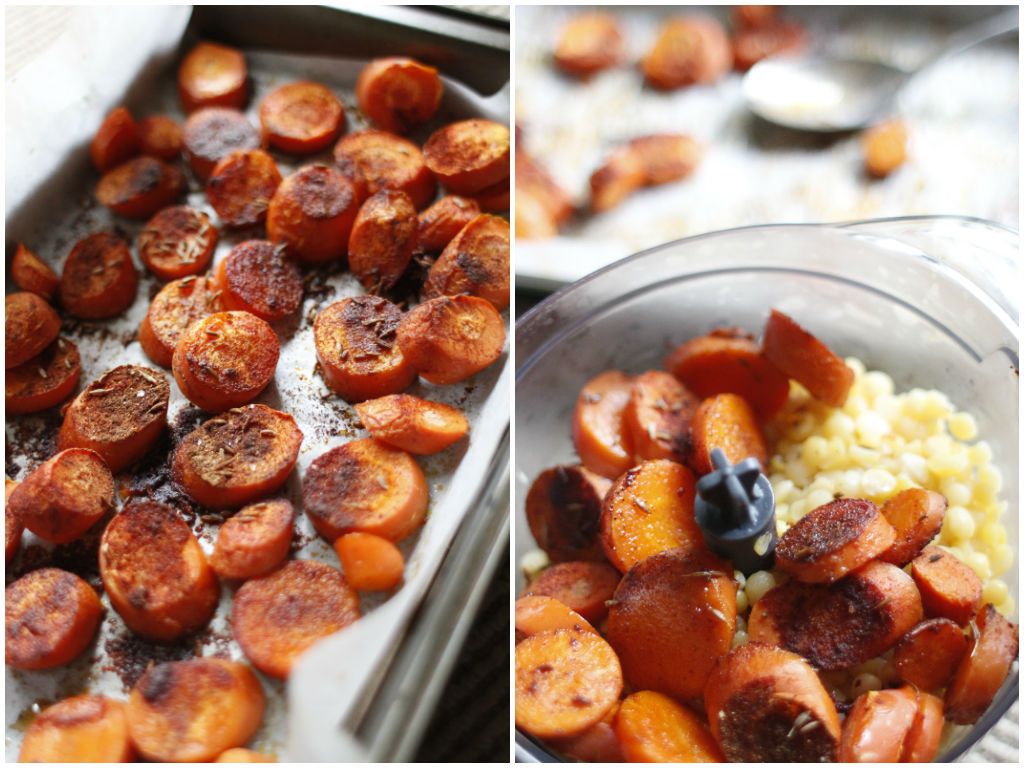
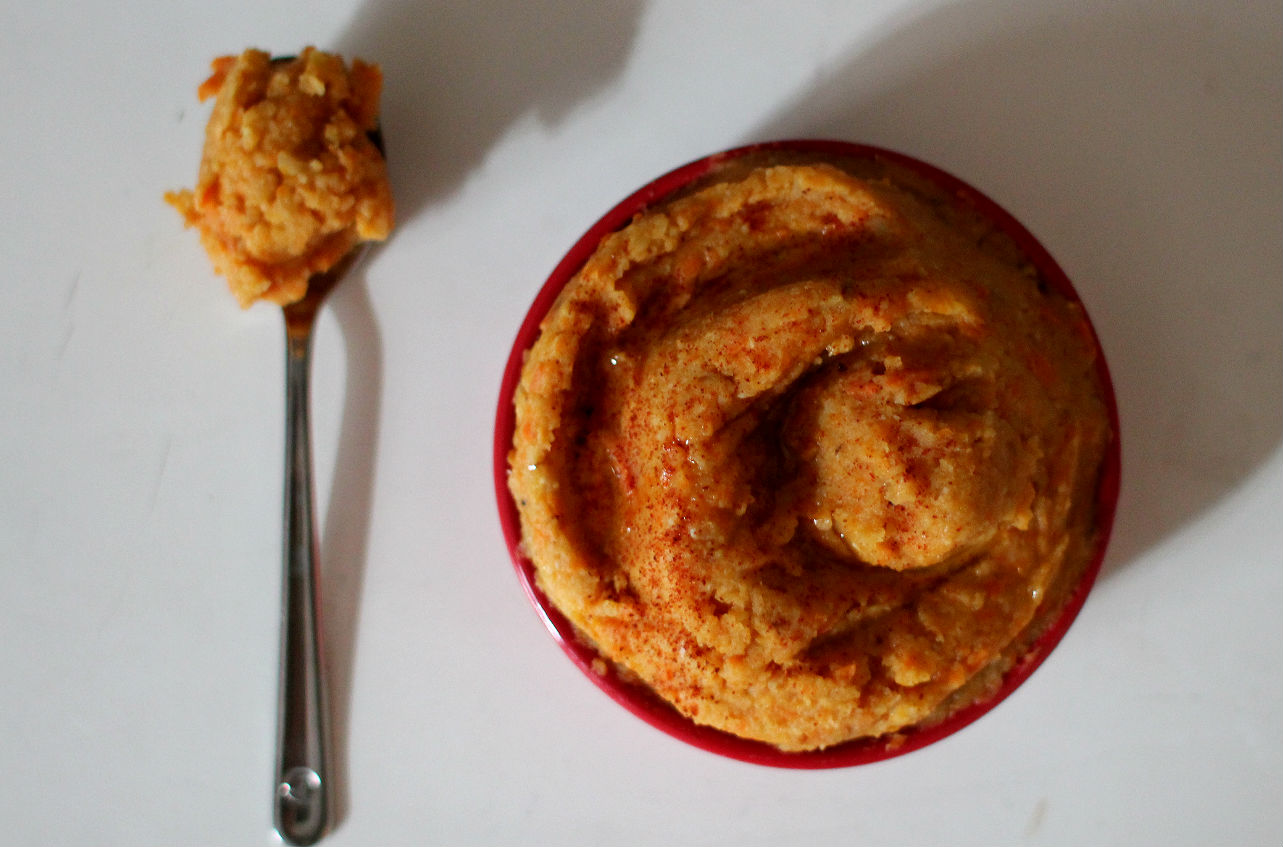
roasted carrotsNow, here is a great healthy vegan appetiser for you. Ditch the store-bought dips >.< Oven roasted carrots with cumin plus protein packed peas make a beautiful  and delicious sunshine-colour dip. Enjoy x
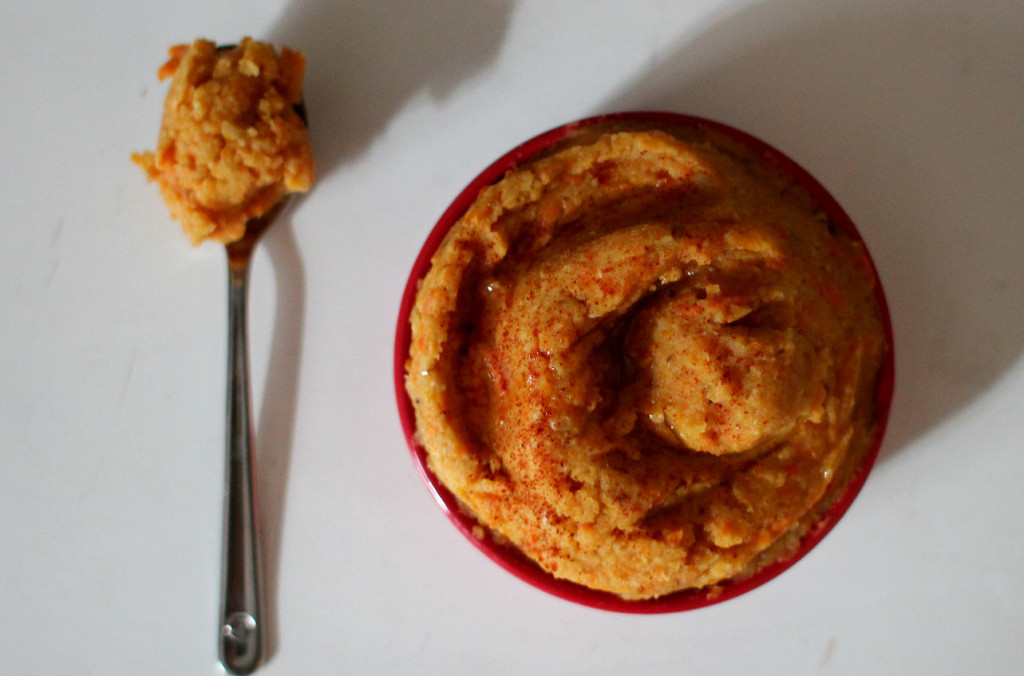
carrot pea dipIngredients

2 carrots
1 tbsp coconut oil
1 tsp cumin
1 tsp smoked paprika
1 tsp Himalayan salt
1 cup dried yellow split peas
1/2 tsp minced garlic
a squeeze of lemon
Himalayan salt to taste
1 tbsp olive oil

Wash and roughly cut carrots. Toss with coconut oil, cumin, paprika and salt in a bowl. Spread them on a baking sheet and bake in the preheated oven (200) for 20-30 minutes until cooked. In the meantime, wash and cook the peas in a boiling water for 20-30 minutes until tender. You might need to slightly overcook the peas so that it gets smooth when you puree them. Take the carrots out of the oven and drain cooked peas. Place them in your food processor or blender. Add garlic, salt and lemon and blend until smooth. Add a bit of water if too thick. Taste and adjust the seasoning. Transfer to a serving bowl, drizzle olive oil and sprinkle smoked paprika for garnish. Serve with veggie sticks or crackers.
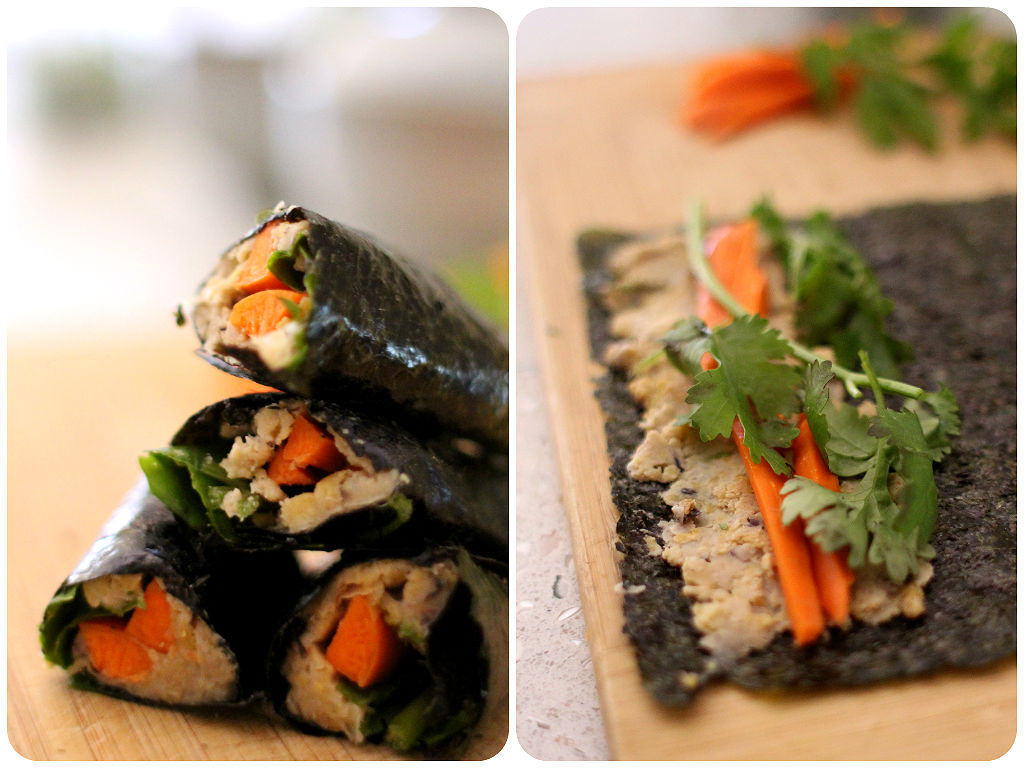
Raw Hummus Sushi

hummus sushiNori is an edible red seaweed that is popular in East Asia. Normally we use it to make Kimbap (Korean sushi), garnish for soup or noodles, or eat toasted nori strips for snack. What is good about it is that one nori sheet only contains 10 calories and high fibre – great for weight loss. Nori also has a very high iron content, important for formation of red blood cells. By eating two sheets of nori, you get as much iron as you would from drinking a glass or milk or eating an egg. It contains an extremely high concentration of protein for a plant. It is also a source of Vitamin B12, important nutrient for vegans. It affects the synthesis and regulation of DNA in the body. A study of Buddhist nuns in Korea who follow a largely vegan diet also showed no vitamin B12 deficiency, which suggests that the nori in their diet greatly contributed to healthy levels of vitamin B12. That’s why you should add nori seaweed a part of your nutritious diet.

You can easily see sushi chains on the street or at the shopping centre these days. I believe it is still a healthier option compared to other junk food, but that white or brown rice in sushi is heavily seasoned with salt, vinegar and oil. On top of that, I can barely see any fillings (either veggies or protein). It is mostly rice, which is not great for your blood sugar level. You can easily make healthy sushi at home with a few ingredients. I spread hummus instead of rice for more protein and fibre. It tastes great, too. You can add different veggie fillings such as avocado, cucumber, capsicum, sprouts, etc. Trust me! This tastes fresh, crunchy, yummy and healthy!

Inigredients

4 Nori sheet
1 carrot
a handful of coriander

For hummus
50g dried chickpeas, soaked overnight (or canned chickpeas)
1 tsp tahini paste
1/2 tsp minced garlic
a squeeze of lemon
water
1 tsp Himalayan salt

To make hummus, cook soaked chickpeas in a boiling water for 20-30 minutes until cooked. Drain and put in your food processor along with other hummus ingredients. Add a bit of water if the mixture is too thick, but you want it to be quite chunky, thick and not too wet. Transfer the mixture to a bowl and let it cool completely. Wash and prepare your veggies. To assemble, place the nori sheets on a flat surface for filling. Slather the hummus on each sheet, topped with carrot and coriander. Roll the sheet into a tube, fairly tight. Dip your finger in water and wet the edge of the nori sheet which will allow it to stick closed.