GF Pumpernickel

When I started having issues with gluten and wheat, I felt so lost because I didn’t know where it came from. When I go out for brunch or eat out at the restaurant, I have a small bite of bread, which can give me a world of pain for the following few days. I developed a fear eating outside because you just don’t know what ingredients they use. Luckily most restaurants have a gluten-free menu now and you can ask for options. Hallelujah! There are many kinds of gluten-free flours available at supermarkets these days, along with many “all purpose” gluten free flour blends that are designed to be an easy to use replacement for wheat flour. I’ve made (well..played with) some gluten-free muffins and bread at home. It is hard to produce the same taste and texture like normal bread due to not using regular flours. I am still experimenting. I’ve listed a few of my favorite alternatives to wheat flour. It’s not a single substitution for wheat-free alternative flours as gluten is responsible for wheat flour’s incredible binding, stretching and rising abilities. In general, a combination of different gluten-free flours is used to create flavor, texture, and balance.

My favorite gluten-free, wheat-free flours are

  • Almond flour: Baking or cooking with this flour, made from pulverized, blanched almonds, is a surefire way to add extra bone-building calcium to your diet: A half-cup serving has 12 percent of your daily requirement–six times the amount of that in “light” whole-wheat flour. Almond flour is also high in vitamin E and monounsaturated fat. This and other nut flours — such as chestnut and hazelnut, macadamia and pistachio — add protein and vibrant taste to gluten-free baking.
  • Bean flours: Dried beans can be ground into flours as easily as grains can. Chickpea flour — also known as garbanzo bean or ceci flour — makes a memorable flatbread in the south of France. Lentil flour shows up in Indian cuisine. Even fava beans become flour, and show up in some commercial gluten-free baking mixes.
  • Rice flour: The starchiness of short-grain rice makes it the perfect candidate for rice flour. Smooth and finely ground, sweet rice flour thickens sauces and gravies so well that no one eating them can tell they are gluten-free.
  • Tapioca flour: This is also known as tapioca starch (just to confuse us). Its starchiness makes it an excellent gluten-free flour, but it must be used in combination with other flours to make great baked goods.
  • Buckwheat flour: Buckwheat is a strong, earthy-flavored flour, available in light and dark varieties. Use light-colored flour for best results in gluten-free recipes. Buckwheat flour adds protein, fiber, vitamins and minerals to gluten-free recipes and can be used to make delicious pancakes.
  • Gluten-free oats: Oats, with nutty taste and chewy texture, add protein, soluble fiber, vitamins and minerals to gluten free recipes. Use gluten-free oats and oat flour in bread, pancake, muffin, cookie, cake, granola and muesli recipes.
  • Quinoa flour: Quinoa is available as a whole seed, flakes and flour. The seed can be used to replace rice and barley in pilaf, couscous and soup recipes. Quinoa flakes can be used as a substitute for rolled oats. Quinoa flour has a somewhat strong, bitter flavor, can be used in small amounts in gluten-free mixes and baking recipes to improve nutritional quality.
  • Coconut flour: Coconut flour can be used in small quantities in gluten-free recipes to increase fiber content. It is almost 60% fiber, is high in fats and lower in carbohydrates than other GF flours. Coconut flour works best in recipes that include eggs and has a short shelf life. Refrigerate baked goods made with coconut flour to prevent spoilage.
  • Soy flour: Can be used like brown rice or corn flour. Has a heavy beany flavor and works best if used in combination with a moist flour, such as tapioca or sweet white rice flour.
  • Flaxseed meal: Substituting 1/4 of a flour mixture with flaxseed meal to add a hearty touch to whatever you are baking. Store in freezer to keep the nutritional value of these amazing little seeds.
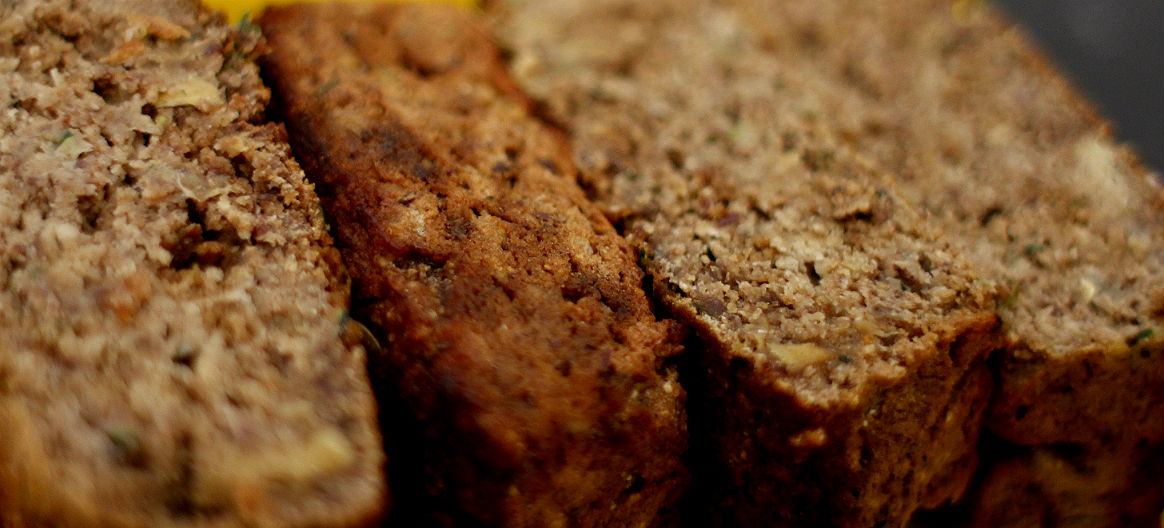
Pumpernickel
Gluten Free Pumpernickel Loaf

Ingredients

4 eggs
33g almond meal
50g coconut flour
25g buckwheat flour
30g cocoa powder
1 tsp of ground coffee
1 tsp of baking soda
1 tbsp of apple cider vinegar
1 tbsp of coconut oil
1 tbsp of molasses
1 tsp of carraway seeds
1 tsp of cinnamon powder
a pinch of salt

Lightly beat eggs in a large bowl. Mix with coconut oil, molasses and coffee ground. Add all dry ingredients and combine well. Pour the mixture into a loaf tin and transfer to the preheated oven (180) for 30-40 minutes until cooked. Cool it down before cutting. This pumpernickel has a light and cakey texture. You can cut thinly and toast again which gives you more a crunchy, biscuit-like texture.
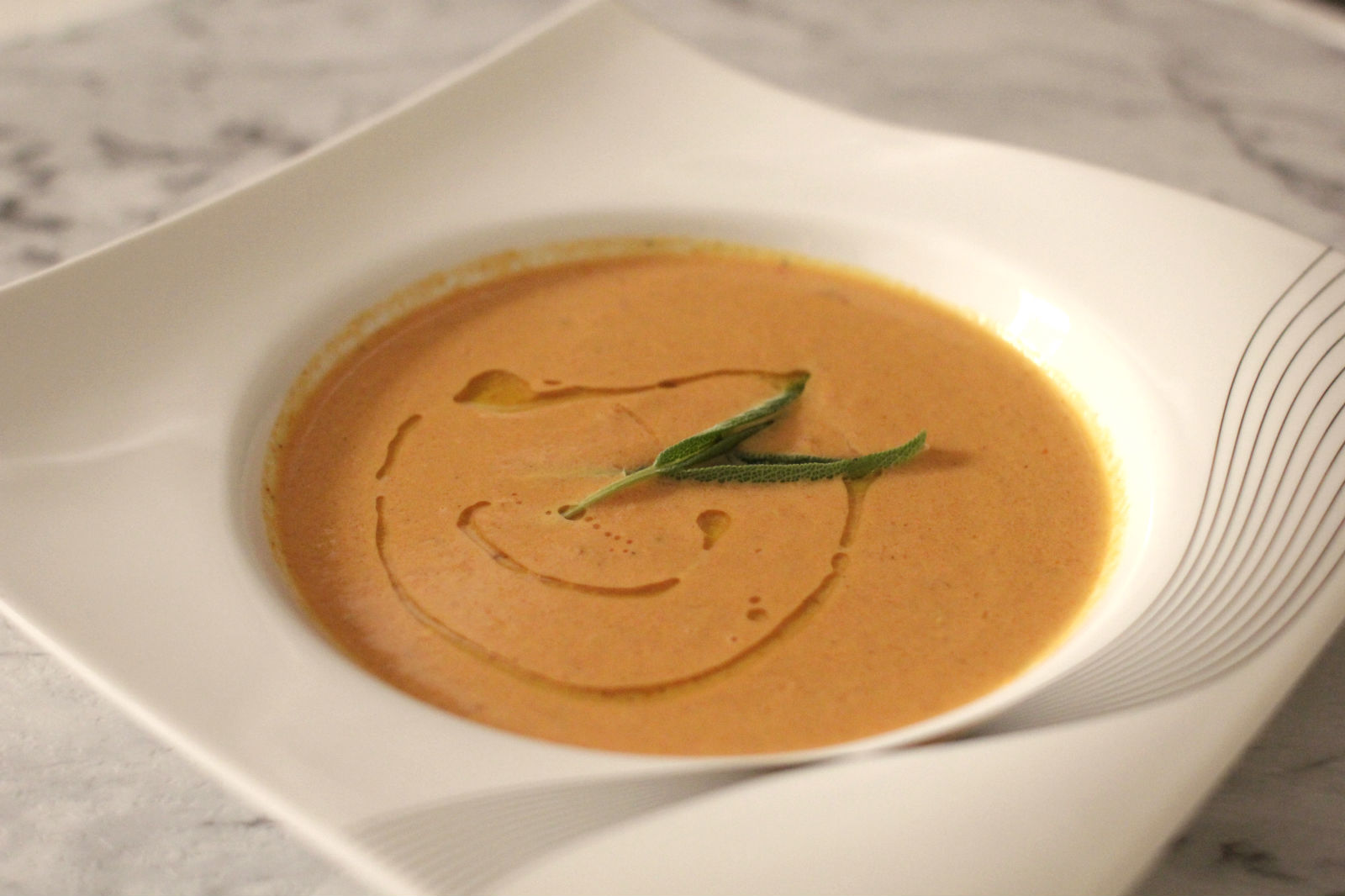
Tomato Soup

Tomato SoupTomatoes are juicy, sweet and delicious when eaten raw as a snack or in salads and sandwiches. Then when it is cooked with a bit of oil, the cooking process increases Lycopene and thus its antioxidant activity, that helps fight cell damage that can cause cancer, heart disease and other chronic health conditions.. Tomato is a good source of vitamin A, B and C, folate, potassium, beta-carotene and fibre. One tomato contains around 22 calories, 0 grams of fat, 5 grams of carbohydrates, 1 gram of dietary fiber, 1 gram of protein and 6 milligrams of sodium. They are naturally low in fat, sodium, cholesterol and calories, yay! On top of that, one serving (150g) of tomatoes gives you 2 grams of fibre, about 7% of the daily recommended amount. So eat more tomatoes!!!!

Tomatoes are naturally low in sodium, saturated fat, cholesterol, and calories.
Read more at http://www.beliefnet.com/Health/9-Surprising-Health-Benefits-of-Tomatoes.aspx?p=2#GuiQRh2z5jCCte9L.99
Tomatoes are naturally low in sodium, saturated fat, cholesterol, and calories.
Read more at http://www.beliefnet.com/Health/9-Surprising-Health-Benefits-of-Tomatoes.aspx?p=2#GuiQRh2z5jCCte9L.99
Tomatoes are naturally low in sodium, saturated fat, cholesterol, and calories.
Read more at http://www.beliefnet.com/Health/9-Surprising-Health-Benefits-of-Tomatoes.aspx?p=2#GuiQRh2z5jCCte9L.99
Tomatoes are naturally low in sodium, saturated fat, cholesterol, and calories.
Read more at http://www.beliefnet.com/Health/9-Surprising-Health-Benefits-of-Tomatoes.aspx?p=2#GuiQRh2z5jCCte9L.99

Ingredients

3 tomatoes
1 carrot
1 onion
1 tsp of minced garlic
1 tsp of turmeric
1 tsp of smoked or sweet paprika
1 cup of water or stock
1 tsp of coconut oil
milk or cream and e.v.o.o for garnish
salt and pepper to taste

Cook chopped tomatoes, carrot, onion and garlic with coconut oil in a pan. Add spices and season with salt and pepper. Add water or stock and cook for another 10 minutes. Take it off the heat and cook slightly before using a stick blender. Transfer the purée to the pan. Whisk in milk or cream. Serve it warm or cold with a drizzle of e.v.o.o.

Zucchini Noodles with Tahini

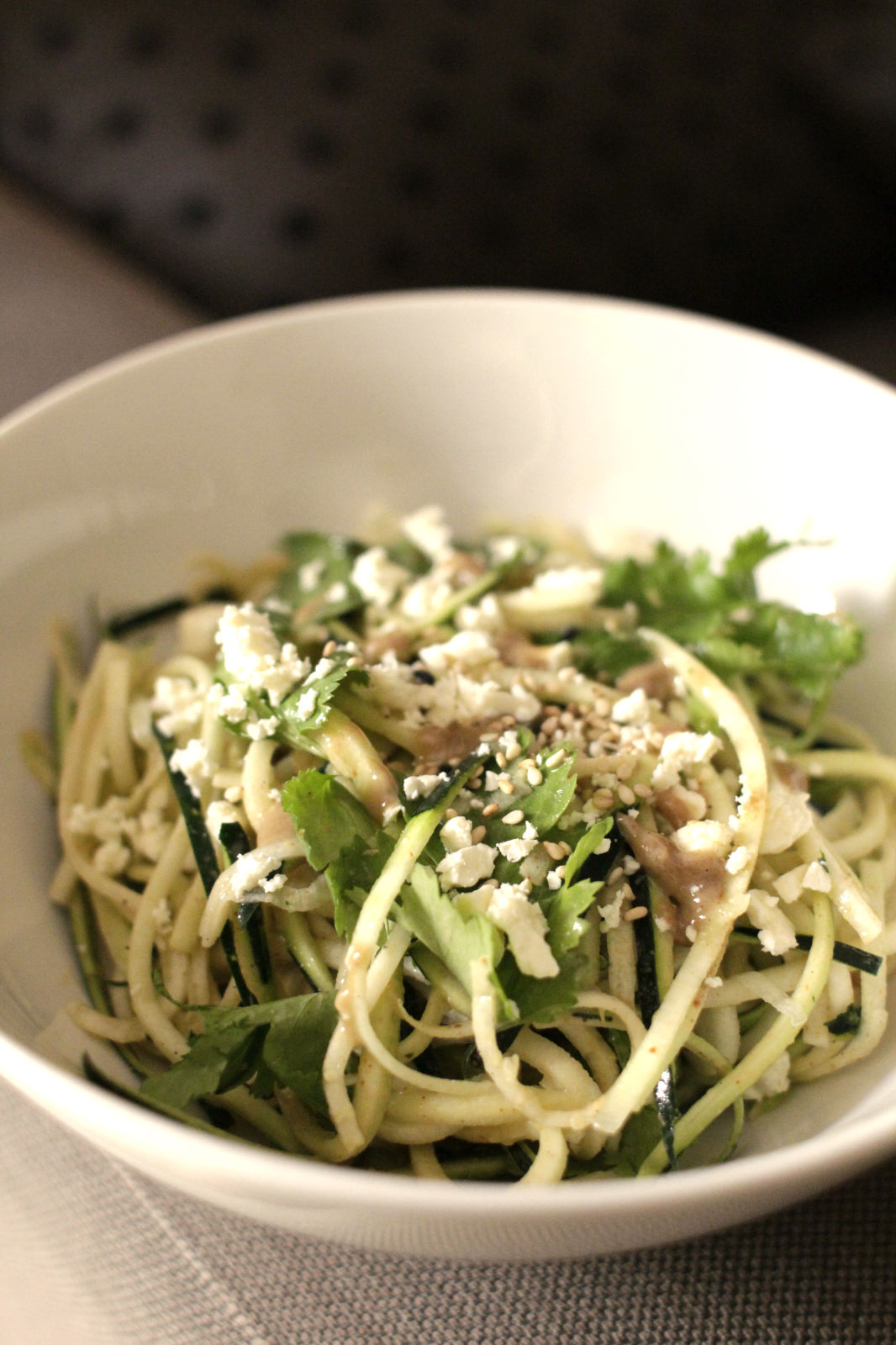
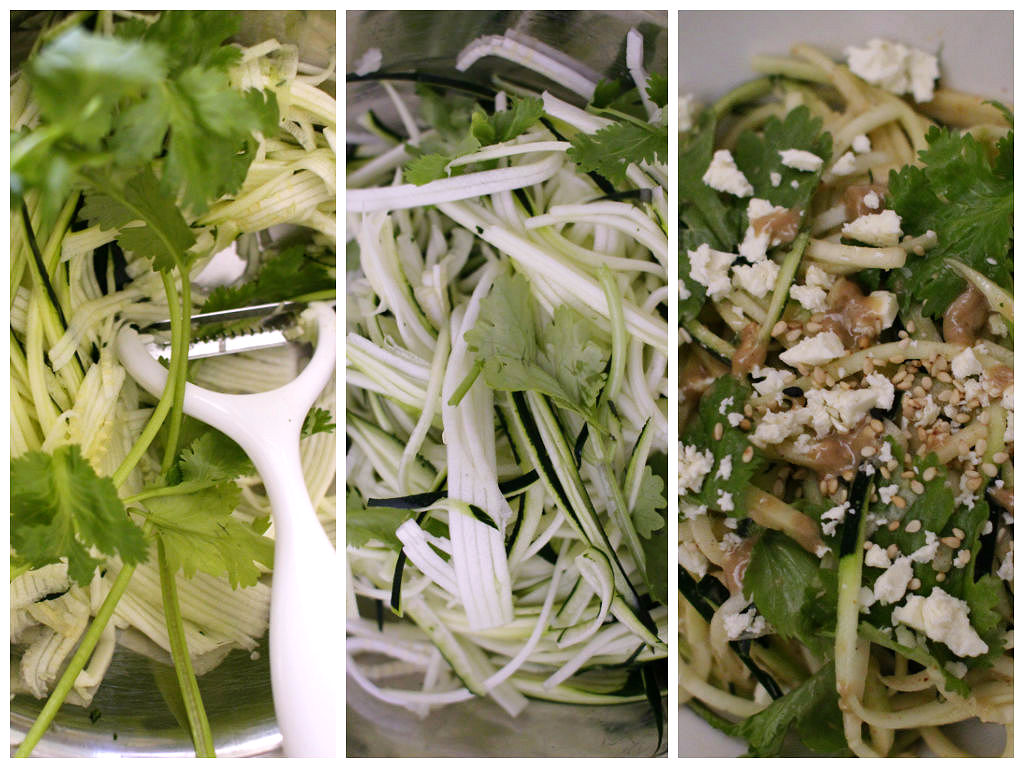
Zucchini NoodlesA few tips when you make zucchini noodles

  • After making noodles using a julienne peeler, you need to allow the liquid to drain because zucchini releases a lot of water. Sprinkle a teaspoon of salt and let it sit for 10 minutes. Drain, squeeze and pat dry the noodles. You can use a cheesecloth or kitchen towel to get rid of excess water.
  • Make a good dressing to go with such as tahini, pesto or tomato. Zucchini can be quite bland by itself. So it is crucial to add a flavoursome dressing, other veggies and crunchy toppings to make the noodles interesting.

Zucchini Noodles1
Ingredients

1 zucchini
a bunch of coriander
1 teaspoon of Himalayan salt
1 tablespoon of tahini paste
1 teaspoon of coconut oil
1 tablespoon of coconut vinegar
1 teaspoon of coconut amino sauce or tamari
1 teaspoon of maple syrup
50g feta cheese
1 teaspoon of sesame seeds
pepper to taste

Using a julienne peeler or mandoline, slice the zucchini into long strands. Place them in a bowl and toss with a teaspoon of salt.  Let it sit for 10-15 minutes. Then drain, gently squeeze and get rid of excess water. To make a tahini dressing, mix tahini paste, coconut oil, vinegar, amino sauce, maple syrup and pepper in a small bowl. Dress the zucchini noodles and coriander with dressing and transfer to a serving bowl. Top with sesame seeds and crumbled feta cheese.

Spiced Cinnamon Punch (Sujeonggwa)

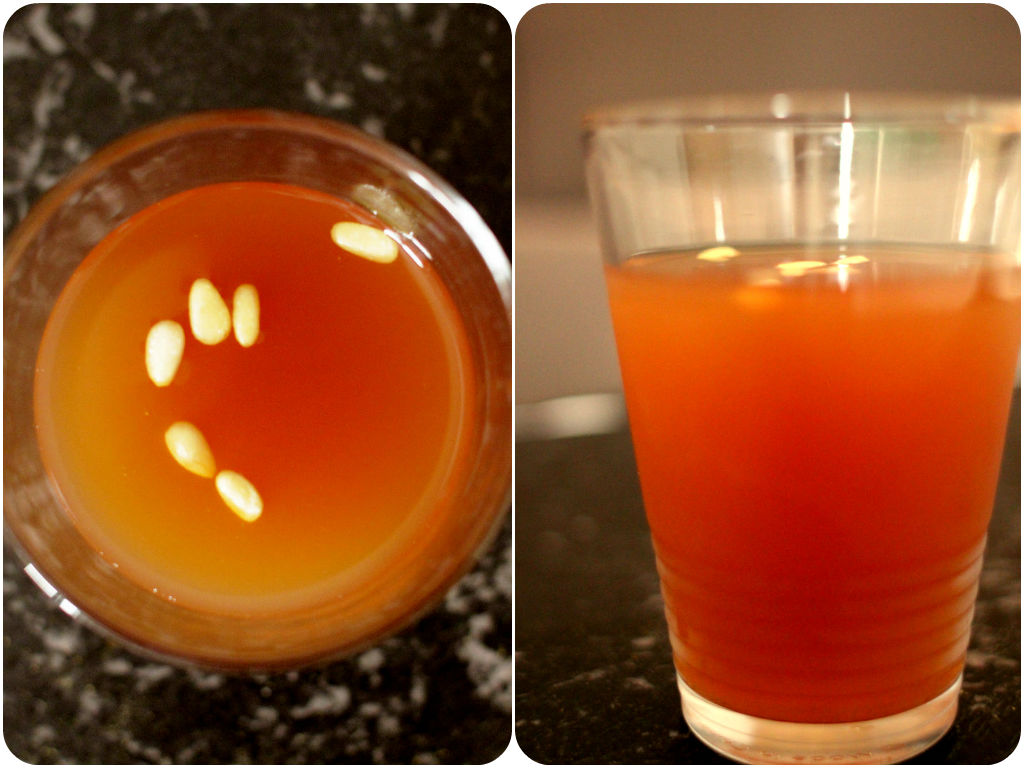
There is this Korean after-meal drink called Sujeonggwa. It’s commonly served after dinner because ginger helps your digestion and improves the absorption of essential nutrients in the body. Cinnamon in this drink also helps to control your blood sugar and cholesterol level and kill the bad bacteria in your GI tract so that the gastric juices work normally. So instead of going for sweets or ice creams after dinner, have this drink and maybe one of those snacking power balls. Perfect dessert and so good for your digestion!

Traditionally it is made by brewing the cinnamon sticks and sliced ginger at a slow boil and then boiled again after adding either honey or brown sugar. It’s dark brown in colour and topped with pine nuts and slices of dried persimmons. I like its subtle sweetness with a kick of cinnamon and ginger, quite different to Indian chai tea, which has a lot of mixed spices in it. I like it served cold with a couple of ice cubes in summer days. Or a bit of sparkling water to make it fizzy. It is refreshing, cleansing and hydrating! You can definitely make a healthy cocktail or non-alcoholic one with it, too. Depending on your taste, feel free add more cinnamon, ginger or honey.

Cinnamon DrinkIngredients

1L of water
8 cinnamon sticks washed
1/2 cup of sliced ginger
2 star anise
1 cup of good quality honey (or any kind of sweetener such as cane sugar, coconut sugar, maple syrup)

Put all ingredients except honey in a large pot and boil over medium heat for 30-40 minutes. Discard the ginger, cinnamon and star anise. They’ve done their job now. Add honey into the pot and boil for another 20 minutes. Cool it down before you serve. You can top with pine nuts, slices of dried persimmon or dates for garnish.

Healthy Dinner Ideas

Roast Chicken and Bok Choy
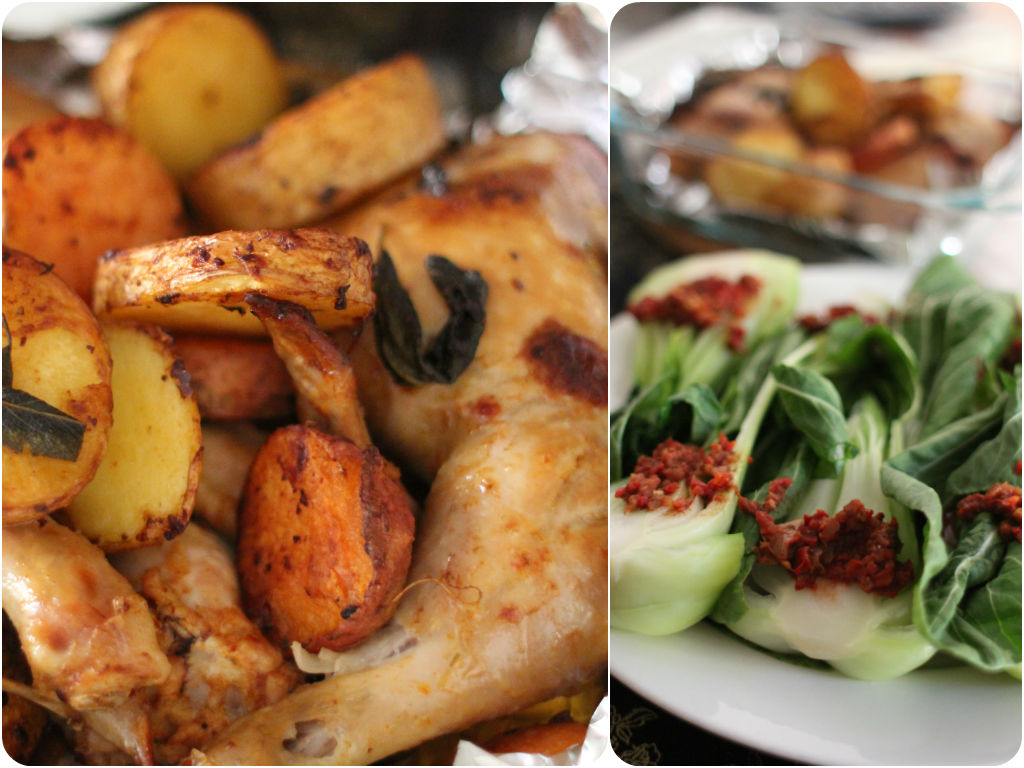
Roast chickenRoasting a chicken can be as simple or as complicated as you like. Mine is very simple and no fuss. I pat dry the skin, marinade a chicken with herbs and spices for a few hours, put a generous amount of salt and pepper before cooking in a pan, seal the skin side down first for 3-4 minutes and flip over for another 3-4 minutes. Take the bird out and rest aside while I cook root veggies like potatoes, sweet potatoes, parsnip, etc in the same pan. I transfer them to a baking tray and to the centre rack of the preheated oven (180) for 30 minutes. If you choose to roast the whole chicken, you can add onions, preserved lemon and herbs like thyme inside of the cavity, which adds a beautiful flavour. It works for me every time – crispy skin, moist inside, well cooked vegetables on the side.

For the Bok Choy, I like my green veggies simply steamed with no added oil for nutrition and crunch. I clean it in the running water making sure there is no dirt left between the leaves. Cut a criss-cross in the stem and stand it up in a bowl of hot water for a few minutes. Then I stir the leaves in a hot water, squeeze to remove an excess water. Serve with a chilli sauce or soy sauce over it before serve. You can absolutely cook in a pan if you like.

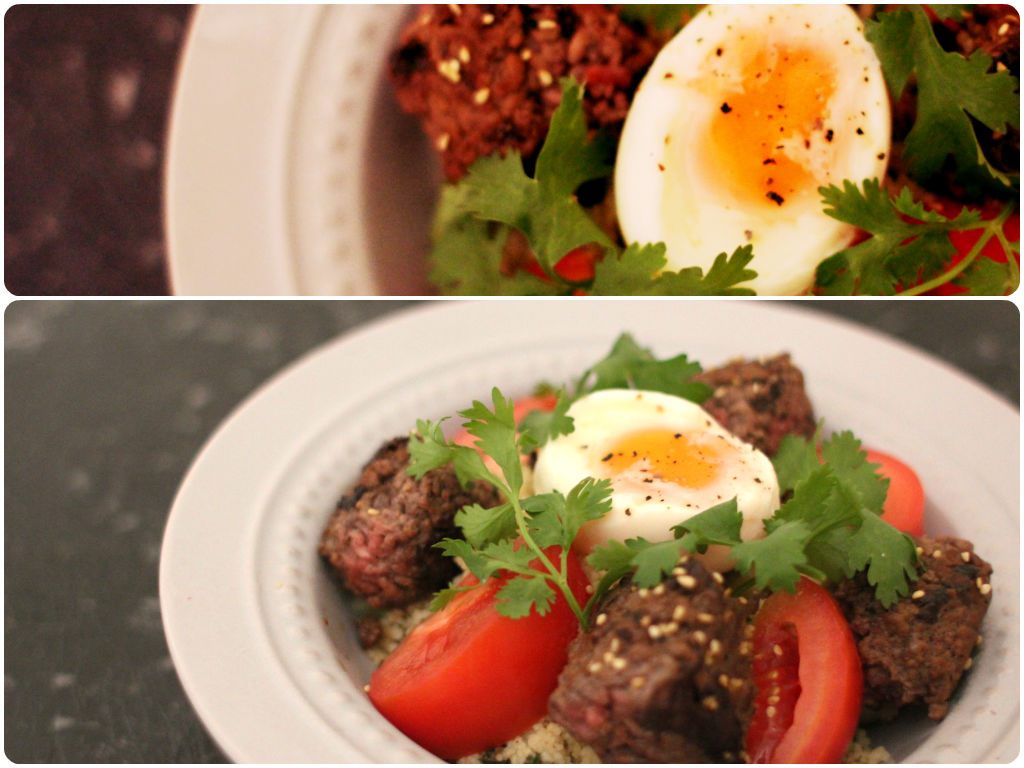
Perfectly Cooked Egg and Meatballs on Couscous SaladMeatballsDaniel’s dinner tonight after Taekwondo. For the perfectly boiled egg, I place eggs in a pot of cold water, bring it up to boil and cook over medium heat for 6 minutes. Take off the heat and rinse with cold water before peeling off the shell. Beautiful runny creamy egg yolk – yum! For couscous salad, I put a cup of couscous in a bowl, pour two cups of boiling water with a drizzle of olive oil, salt and pepper. Cover it up for about 10 minutes. Carefully fluff with a folk from the top and then add other ingredients. Either cooked veggies or fresh ones work all well with couscous.

Wild Rice with Kimchi and Eggplant
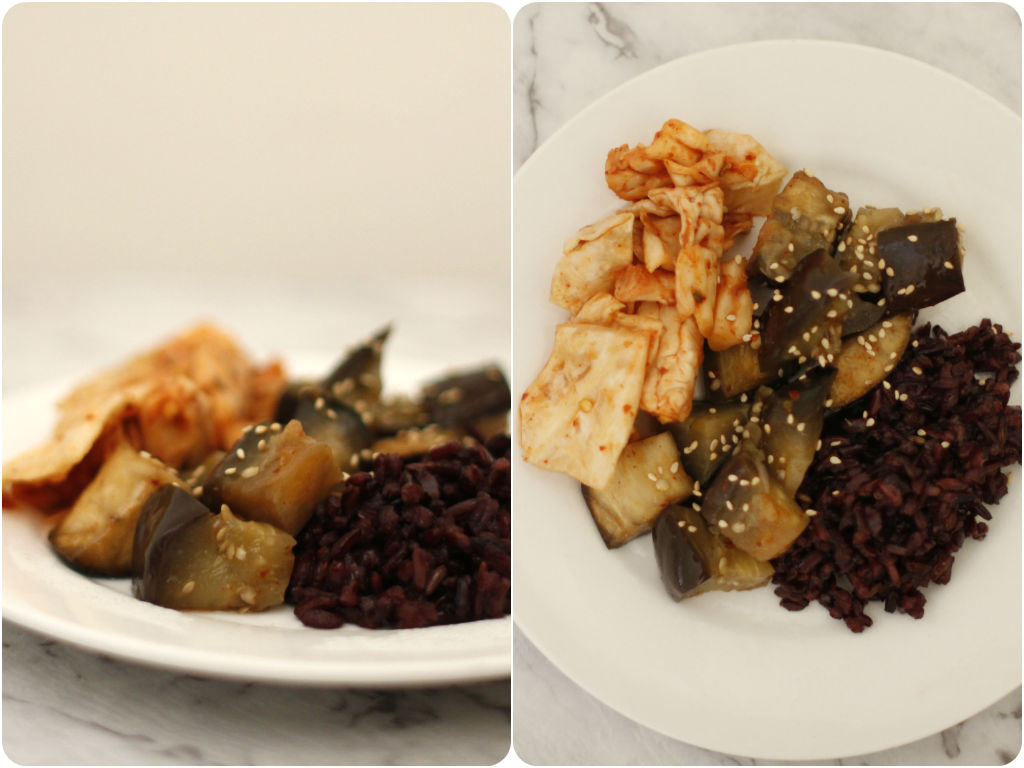
Kimchi and RiceSometimes I feel like having a simple Korean meal for lunch or dinner. A bowl of wild rice with some side dishes is a way to go. I might make a miso soup or some protein to go with it if I’m not too lazy. I dice eggplants and braise with a soy sauce, chilli, garlic, ginger, sesame oil and sesame seeds until soft – classic Korean flavour. Kimchi is a staple food for me, always keeping a jar in the fridge. I probably have a Korean food a couple of times a week.

Bean Casserole with Brie Cheese
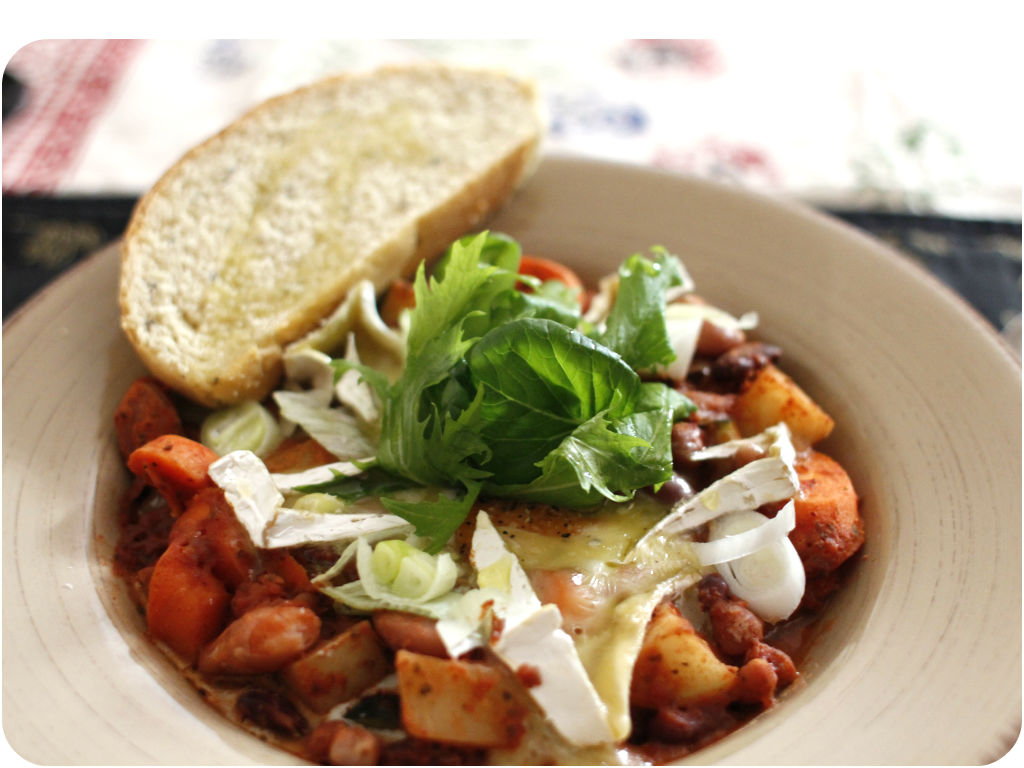
Bean casseroleA quick vegetarian dinner. Soak the dried beans overnight and cook in a boiling water for 15-20 minutes until cooked. Cook beans and chopped vegetables with passata sauce in a skillet. Season with salt and pepper. Serve with brie cheese, bitter greens and toast.

Grilled Veggie Salad
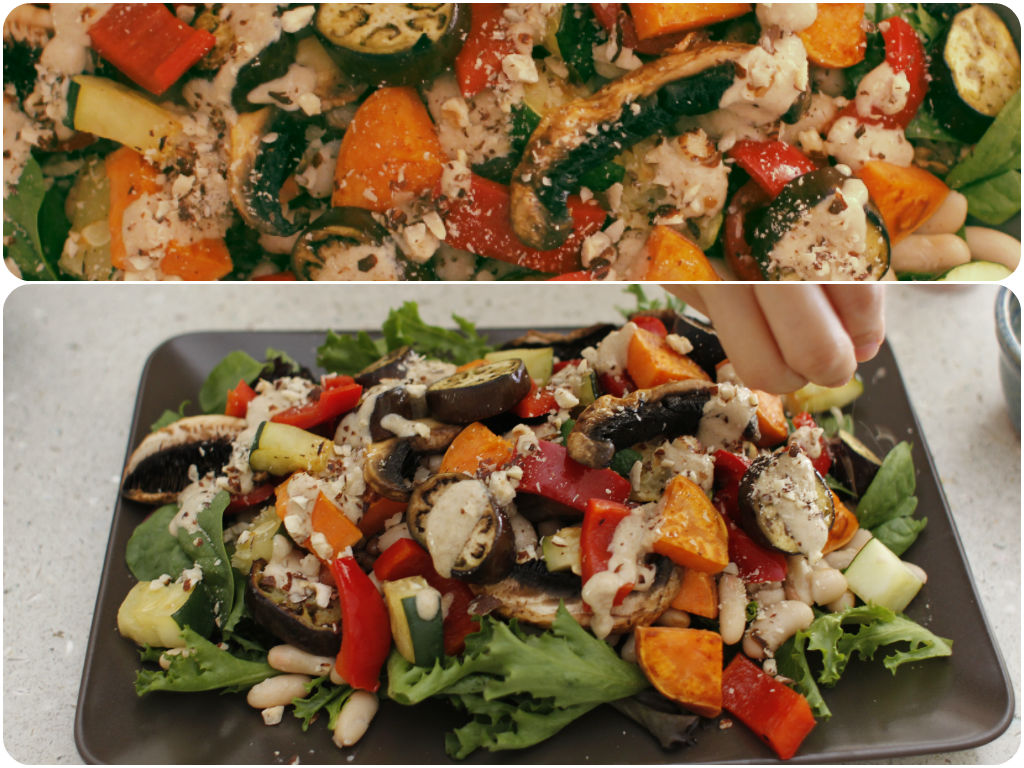
Grilled veggie saladAnother vegetarian dish with a full of flavour. Grill chopped eggplant, zucchini, sweet potato, mushrooms and capsicum. Season with salt and pepper. Arrange them on a bed of white beans and green salad. Drizzle a tahini dressing all over and sprinkle hazelnuts before serve.

I was going on numerous fad diets when I was young. I mean like 10s-20s since I was a chubby girl and struggled with my body image. I had a low confidence, self-doubt, thinking about other people way too much but not myself inside. Fad diets seemed to work for only short time, then I usually put the weight back on. Then after about 25 years of age, I just couldn’t do dieting anymore. My body just didn’t like it. Since then I’ve been slowly incorporating healthier habits into my diet and exercises. You hear this over and over again, but what works for me is drinking plenty of water, having smaller meals every 3-4 hours, not eating until 100% full, having mostly a vegetarian diet and exercises either intentional or unintentional. It is a gradual lifestyle change, not a quick fix. You don’t realise how these fad diets and cleansing actually harm your body. Respect yourself and enjoy the healthy life x