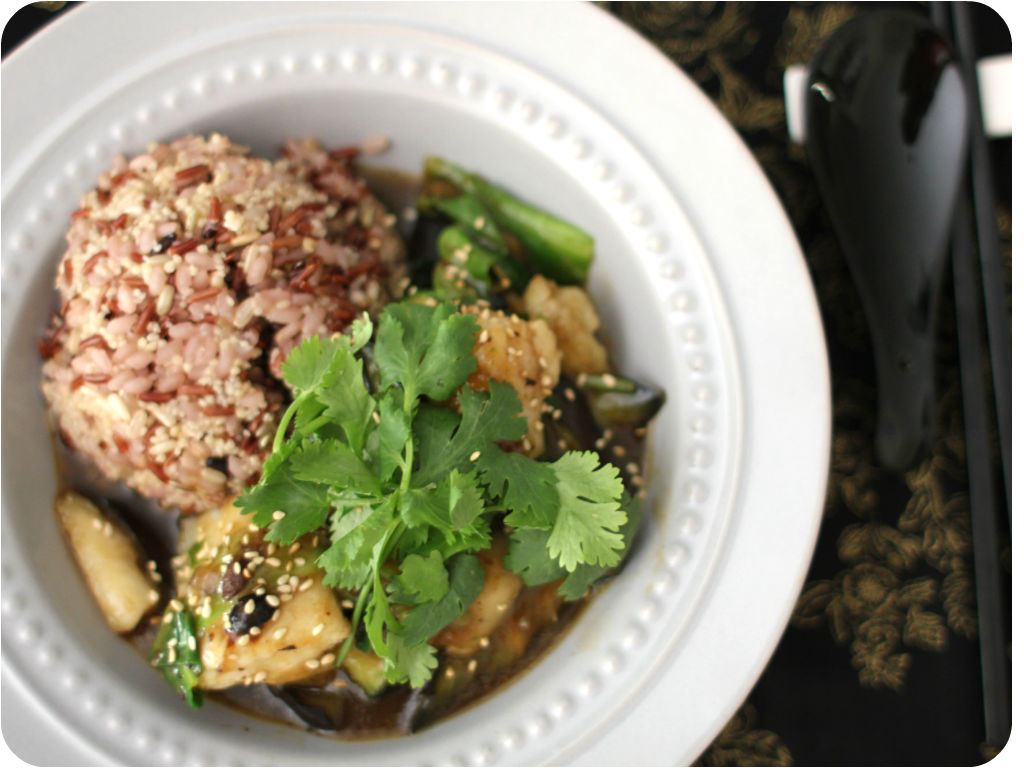
Stir-fried Fish with Black Bean Sauce

Stir-fried fish
There is a few ways of cooking fish healthy; steaming, grilling, poaching, baking and stir-frying without oil. My favorite among them is stir-frying, cooking at a high heat for a very short time. I like that sizzling sound when I’m cooking. Quick and easy!

Tips for stir-frying

  • Cut up my protein and vegetables into similar size and arrange them on the side, ready to go.
  • Pre-heat the non-stick wok or deep skillet at medium to high.
  • Cook onion, garlic, ginger first. You can add oil at this point. I tend to use a bit of water or a drizzle of coconut oil for cooking.
  • Cook your protein to about 50% and take it out. Don’t crowd the pan!
  • Put it back in when vegetables are cooked so that the protein is not overcooked.
  • Cook harder vegetables first since they take longer to cook.
  • Keep moving them making sure they don’t stick to the pan and cook evenly.
  • Put any kinds of sauce towards the end.

I cut up fish fillet into a bite size same as vegetables (I used cabbage and eggplant today). Stir-fry fish and veggies as above. Then I added black bean sauce at the end to coat all ingredients. The sauce consists of black bean paste, a teaspoon of cooking wine, a teaspoon of soy sauce, a teaspoon of minced garlic, a teaspoon of brown sugar and a teaspoon of sesame oil. Mix all these ingredients in a small bowl and then add into the wok. When it’s done, top with sesame seeds and coriander leaves. Serve with rice. I find using water instead oil while stir-frying makes this cooking method healthy. You can always add a bit of sesame oil at the end to taste and for healthy fat. Enjoy x
Making Kimchi At Home

Digestive health is so important. When problems occur with your digestive system, it is not just your gut health involved. It may lead to many diseases including cancers, mental health disorders, chronic pain conditions, skin disorders and even Alzheimer’s disease. Poor digestion can affect your energy levels and general mood as well. Poor digestion can be affected by…

  • Inadequate chewing: chewing is the first step in the digestive process. Chew your food thoroughly!
  • Excessive stress: stress can affect the transit time of food through the digestive tract and the necessary enzymes to break down the food. Relax while you eat!
  • Eating the wrong foods: artificial colours, additives, sweeteners, flavours, etc. We are not designed to eat these nasty chemicals. Have fresh whole foods if you can!
  • Inadequate amount of good bacteria in your gut: our digestive system have over 400 different bacteria, both good and bad. A healthy balance of these bacteria is essential for digestive health. Eat good quality, natural foods, plenty of high-fibre foods, prebiotic and probiotic.
  • Gut inflammation: a nutrient-spare, artificially-based diet will inflame your gut and negatively affect digestion. You must eat a “real” foods.Kimchi
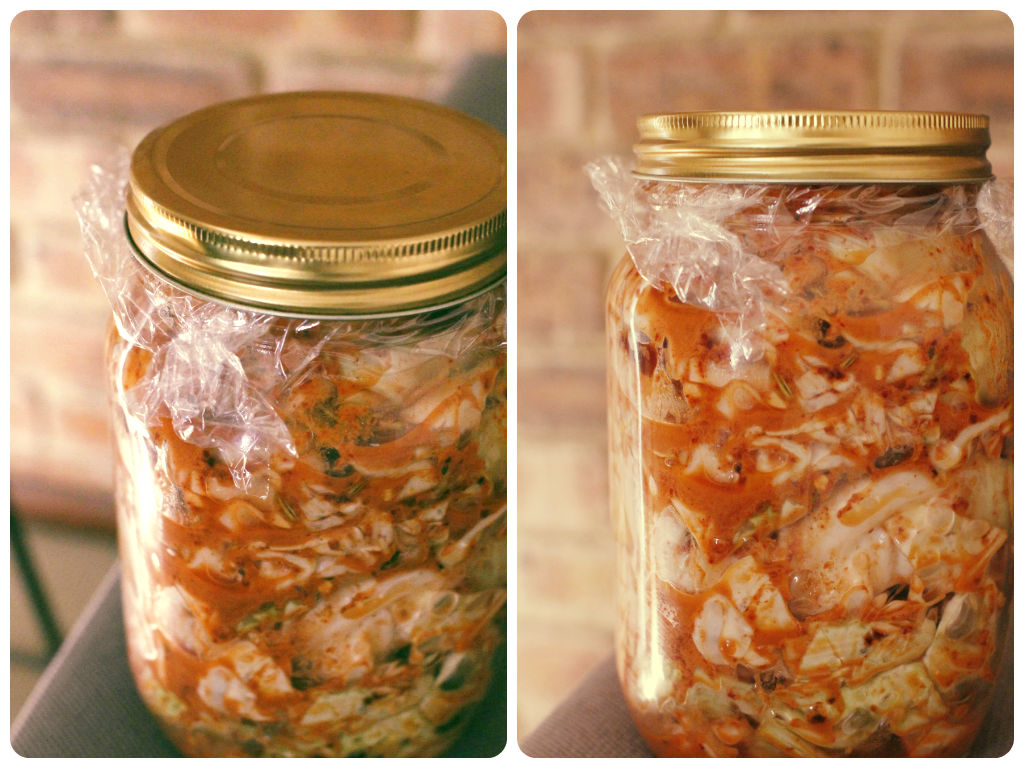
    I’ve written on my blog before how amazing fermented foods are for your overall health. Probiotics (good bacteria) in those foods improve your digestion, boost immune system, produce antioxidants, reduce cholesterol, stabilise blood sugar levels, etc. I cannot emphasise enough how important it is to include fermented foods in your diet. Any forms should be fine. Yogurt, kefir, Kimchi, miso, sourdough bread, even wine πŸ™‚ Making Kimchi at home is not as hard as it looks. It is cheaper to make your own than buy from the shops. You can also control the sodium level. So this is how I make!

Ingredients
half of small head of cabbage
half cup of Himalayan salt
1 heap table-spoon of chilli paste (I use Korean brand)
1 table-spoon of chilli flakes
1 teaspoon of minced garlic
1 teaspoon of ginger finely chopped
1 table-spoon of fish sauce
1 table-spoon of rice flour
1 teaspoon of fennel seeds
1 cup of chopped onions and carrots

Β Chop the cabbage and mix well with salt in a big bowl. Let it sit for an hour until the cabbage gets wilted down. In the mean time, make a Kimchi paste. Mix all other ingredients in a different bowl. Once the cabbage is wilted, rinse and drain well in cold runny water to remove excess salt. Transfer the cabbage to the bowl with a Kimchi paste. You might want to wear disposable gloves and apron here cause it can get quite messy. Massage the cabbage really well and make sure it’s all covered with the paste. Transfer the Kimchi to a steralised jar. Pack tightly so that the Kimchi is submerged in the liquid. Leave it in room temperature for a day to allow fermentation process and then keep in the fridge.

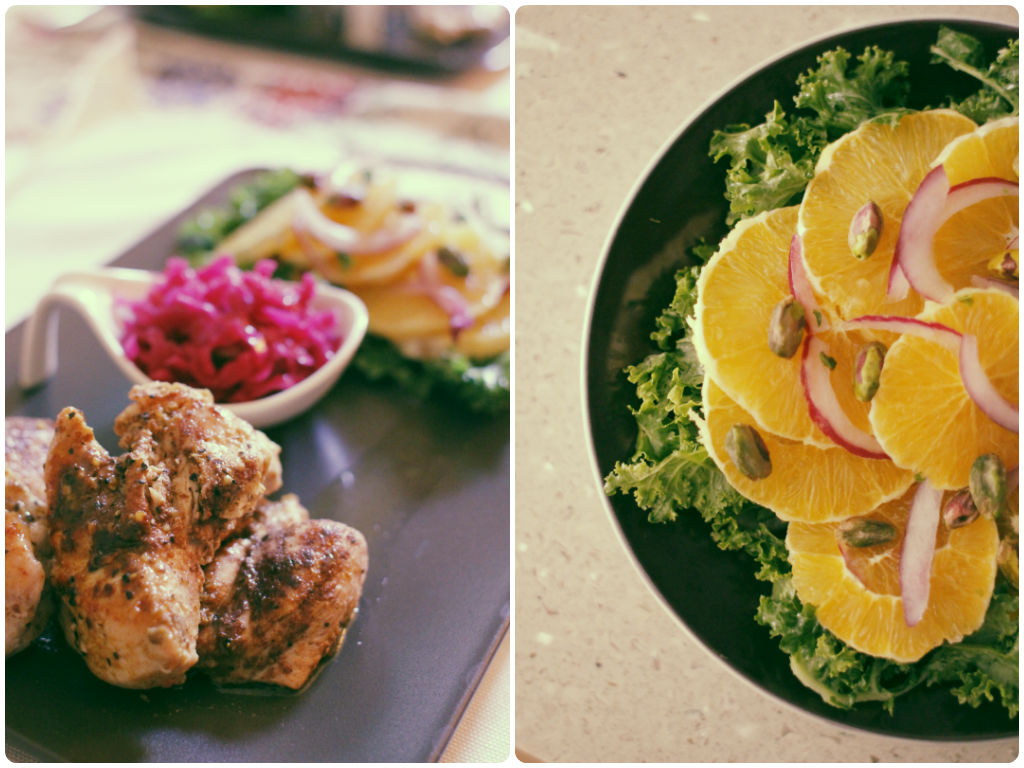
Spiced Chicken with Orange Salad

Orange Chicken

After deciding to make pan-fried chicken breast for dinner, I was thinking what salad would be good to go with. It didn’t take long.. Citrus Salad! Citrus is my favorite fruit group. I can even just bite into lemons and enjoy that sour and tart taste. My grandma used to tell me you wait until old when your teeth and gums get all weak, then you cannot really have cold and sour food – Oh! that would be the end of the world for me >.< There are so many types of oranges. Moro (blood) oranges, Naval, Valencia, red Cara Cara. Yes, orange equals vitamin C! but there is a lot more than that.

– rich in antioxidants protecting cells from damage
– vitamin A, C and potassium great for your eyes
– flavonoids help to reduce cholesterol, good for cardiovascular system
– folate and folic acids keep your brain and joints healthy, good for pregnant women
– reduce the risk of developing a range of cancers
– rich in dietary fibre that helps your stomach and intestines healthy
– boost your immune system with vitamin C

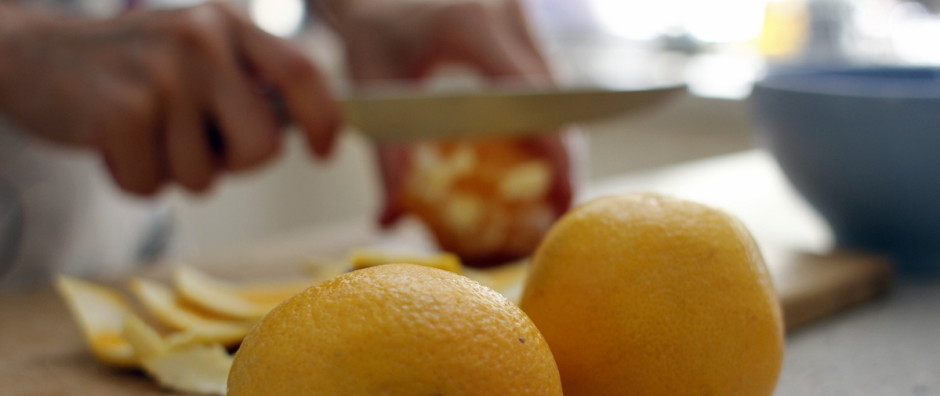
I wanted to mix up different colours of oranges in my salad but shops didn’t have a variety. I mixed massaged kale, red onion, slices of Naval orange and pistachio nuts on top. I also dressed with apple cider vinegar, e.v.o.o, salt and pepper covering all basic tastes (saltiness, sweetness, sourness, bitterness). I will roast pistachio nuts and put it just before I serve next time since they went a little soggy from sitting on the oranges this time. If you don’t like fruit in the salad, you can try a sprinkle of fried rosemary and chopped black olives on top which adds another dimension to this salad. Chicken and orange. What can go wrong? πŸ™‚

Black Bean Salad with Basil Pesto

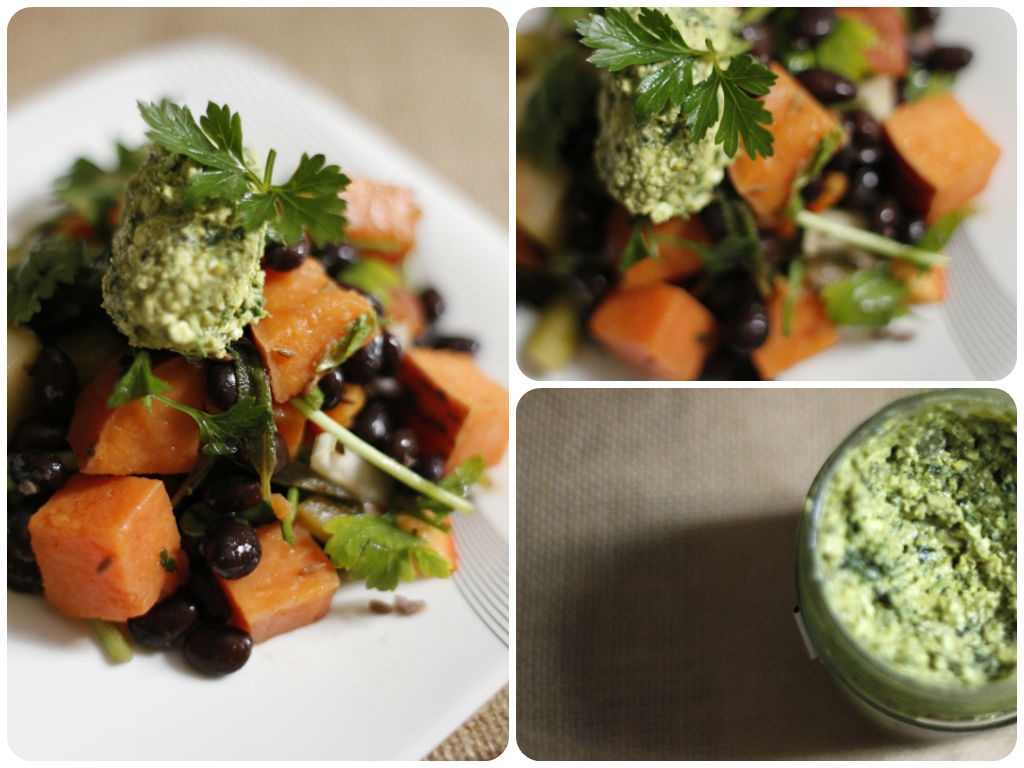
Black bean salad

Like many other legumes, black beans are an excellent source of the cholesterol-lowering dietary fibre good for cardiovascular system. They also contain a good amount of iron that gives you energy, antioxidants that protect you from cancer and a complete source of protein for vegetarians when combined with a whole grain such as brown rice. Their high soluble fibre, low GI and high protein stabilises your blood sugar level, which helps people with diabetes. This superstar is so versatile in cooking and baking as well. You can add into your soup, salads, taco fillings, hummus made of black beans, braised black bean casserole, vegetarian patties, even in your brownies…list is endless! Tips for cooking these amazing guys? You need to soak your beans overnight to reduce your cooking time. Don’t add salt or acidic ingredients while boiling them otherwise it won’t cook but gets really tough.

Black Bean Salad
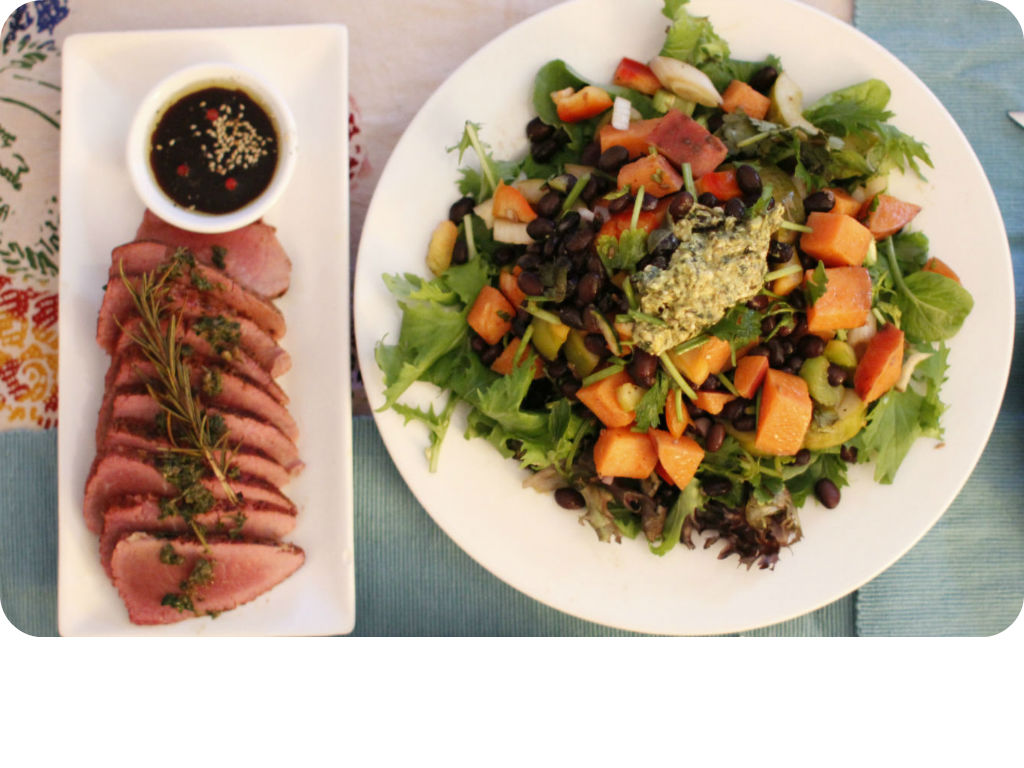
Cook pre-soaked black beans. Pan-fry diced sweet potatoes with sage and cumin. Mix beans and sweet potatoes with chopped cucumber, celery, parsley and coriander in a mixing bowl. Season with Himalayan salt and ground pepper. Dress with vinegar, a squeeze of lemon and a drizzle of e.v.o.o.

Basil Pesto
Put a handful of basil leaves, a teaspoon of chopped garlic, 100g of cottage cheese, handful of pepitas, a squeeze of lemon into a food processor. Whiz up until all blended nicely. Taste and season with salt and pepper.

Beef Tataki

Post-Workout Meals

My hubby does Taekwondo training (Korean martial arts) twice a week and plays squash once a week. I’m so proud of him learning new things like Taekwondo and getting promoted at every grading. He is in fact getting his brown belt today πŸ™‚ Hopefully using those defensive skills to protect me one day haha. Well it is not ideal having a job that involves sitting on his bum all day for his health. I feel for him now because I spend more time in front of computer than ever before. My physio job used to be always on the go and never had a chance to sit down and rest. Such a difference! He is normally drenched in sweat after exercise and comes home hungry. Then I prepare his dinner/ post-workout meals for him.

What you eat after a workout is crucial no matter what time of the day you exercise. Proper PRE-workout snack helps to maximise your performance throughout and post-workout meals optimises muscle recovery. Having a balanced meal of carbs and protein 1-2 hours before training supplies energy during your workout and helps to reduce post workout cortisol (stress hormone) levels. Again meals that combine carbs and protein after your workout replenish energy stores and muscle recovery. Fat intake is also important for immunity such as avocados, olives, fatty fishes and healthy oils.

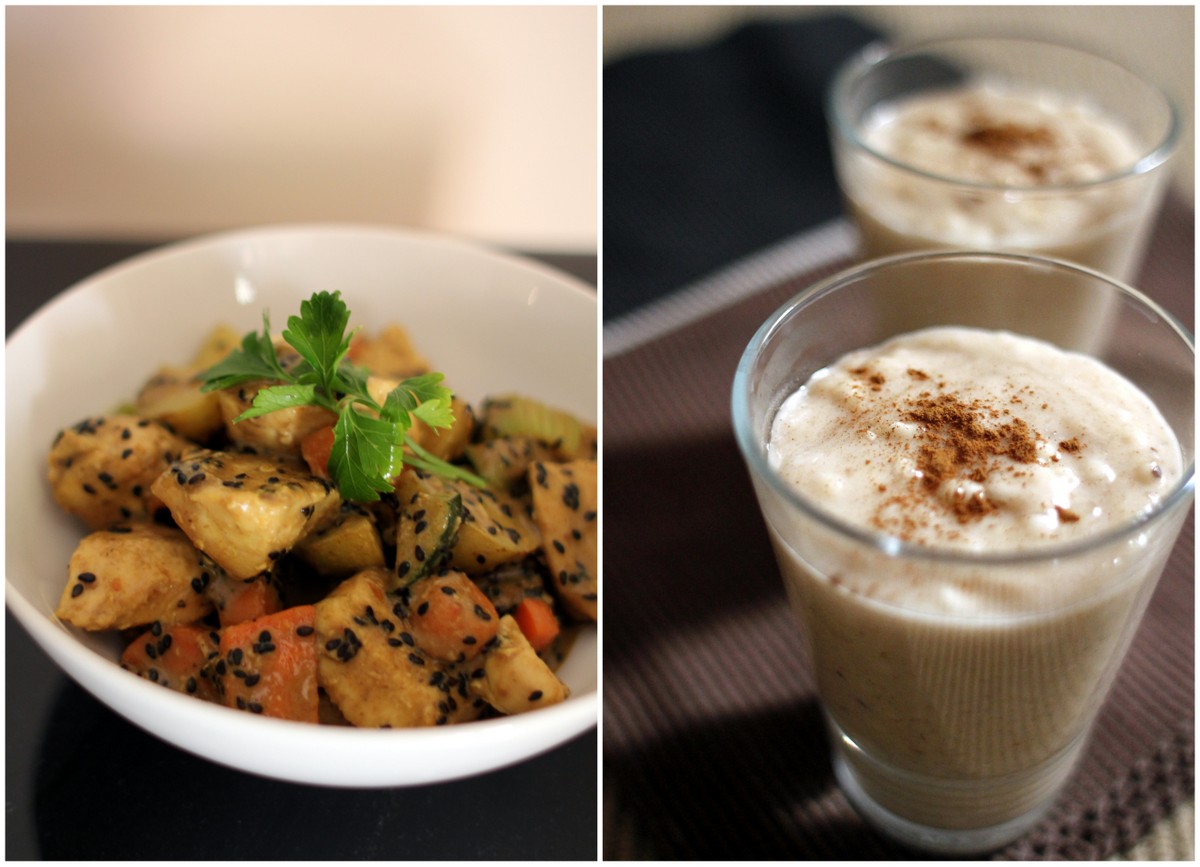
Chicken curry and sago

Tonight his dinner/ POST-workout meal is chicken curry and coconut-cinnamon sago for dessert. Good balance of protein, carbs and fat!

Chicken Curry
I browned chopped 200g chicken breast, 1 carrot, 1 celery stick, 1/4 zucchini, ginger and garlic in a wok. I then added curry powder, cumin, fennel, cinnamon and coconut milk. Braise in medium heat for 10-15 minutes until ingredients are cooked and sauce is reduced. I added black sesame seeds at the end for calcium.

Coconut-Cinnamon Sago
I soaked 100g medium sized tapioca pearls and a cup of coconut milk in a pot for about 30 minutes. Then poured 2-3 cups of water into the pot and bring it to boil. Reduce the heat right down and simmer for 10-15 minutes until tapioca pearls are cooked. Add a tea spoon of cinnamon powder and honey to taste. You need to keep stirring to make sure it doesn’t stick to the bottom of the pot. Set in the fridge for 30 minutes or more and serve it cold.