Cumin Roasted Carrots

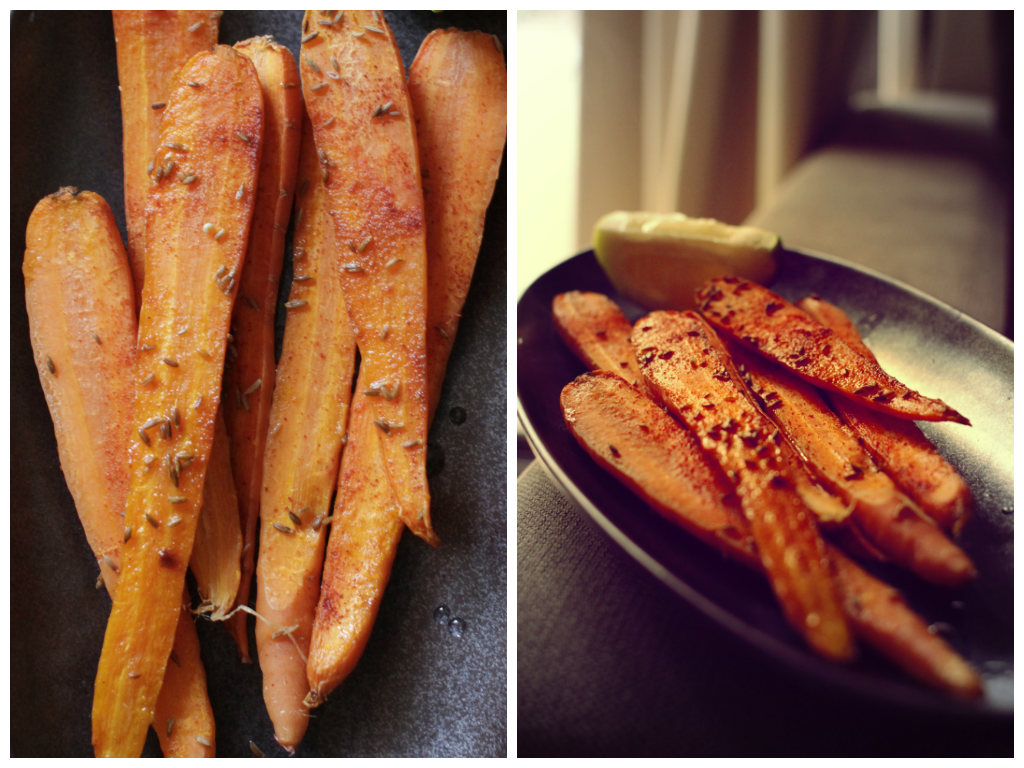
Cooking breaks down the cellulose in vegetables so they are a bit more digestible, but the healthy beta carotene in carrots needs fat in order to be absorbed. Roasting carrots in coconut oil, spices and a squeeze of lemon juice is the perfect way to get all nutritious, and so delicious on their own. Especially, cumin and carrots is a match made in heaven.

Cumin can boost your metabolism and immune system, improve digestion, and give you energy. The seed is rich in antioxidants and iron which may help women at certain times of the month. Many people say they are deficient in iron and feel run down; 1 teaspoon of cumin will give you 15.5% of the daily recommended value.Cumin roasted carrotIngredients

a bunch of carrots
1 tsp of coconut oil
1 tsp of honey
1 tsp of cumin
1 tsp of smoked paprika
1 tsp of Himalayan salt
pepper to taste
1 tsp of olive oil

Preheat oven to 180 degrees. Wash the carrots, don’t need to peel. On a foil-lined baking sheet, toss carrots with 1 tablespoon coconut oil, cumin, smoked paprika, fennel seeds, salt and pepper. Roast until tender about 20-30 minutes, flipping them half-way through. Drizzle olive oil and squeeze a lemon to serve.

Cheater’s Falafel + Cauliflower Pilaf in Lettuce Cups

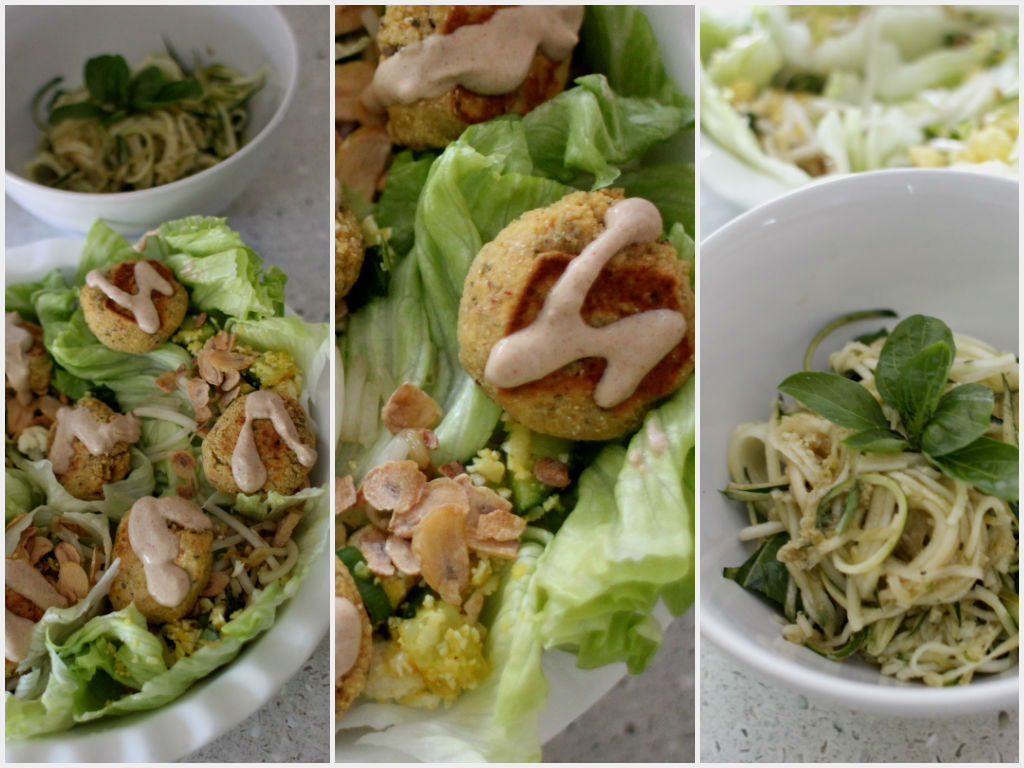
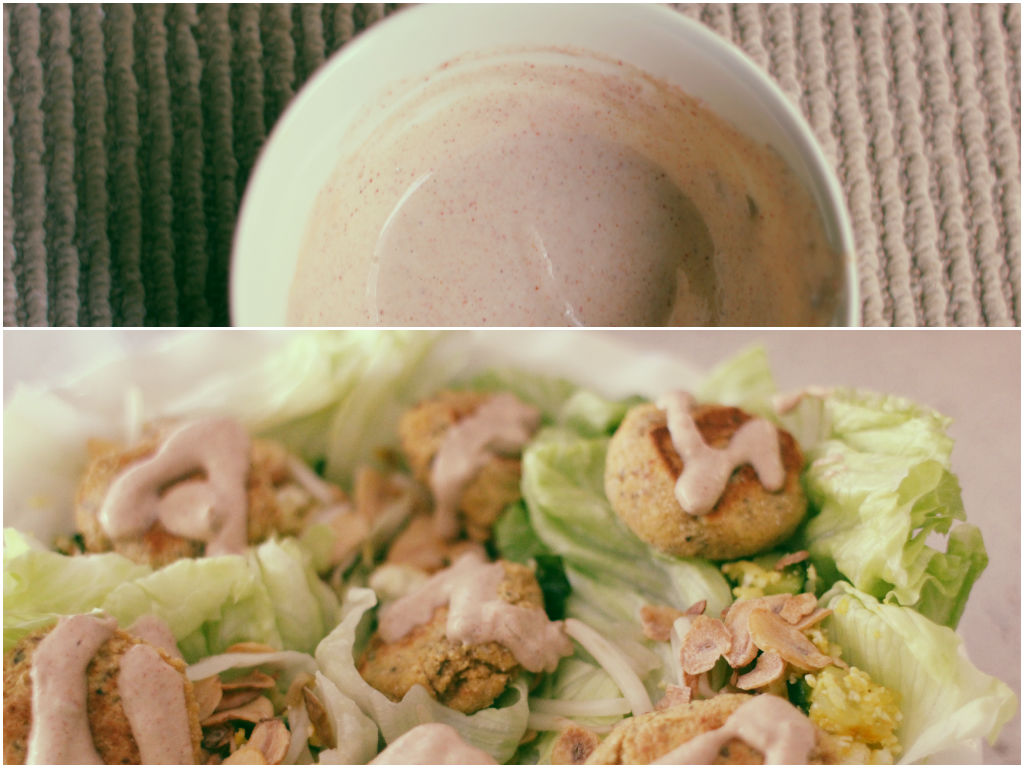
Almost raw lunch with girls. I made cauliflower pilaf in lettuce cups, topped with falafels and tahini dressing. I also made zucchini noodles with fresh basil and simple maple mustard dressing. Very light and healthy lunch!

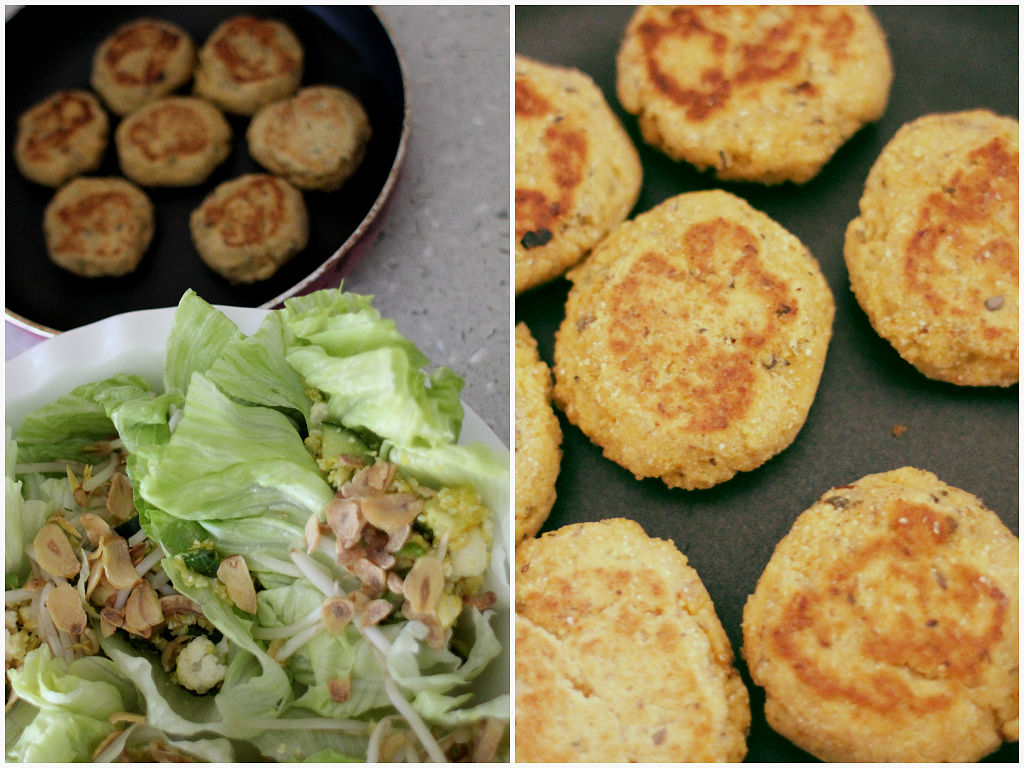
I didn’t have soaked chickpeas to make falafels, so chose to take an easy way using chickpea flour. Falafel is a traditional Middle Eastern food, deep fried balls made of chickpeas or fava beans or both usually served in pita bread. It is great in wraps, sandwiches, salads, or by itself as a snack. When made with chickpeas, falafel is high in protein, complex carbohydrates, and fiber. Chickpeas are also low in fat and salt and contain no cholesterol. Key nutrients are calcium, iron, magnesium, phosphorus, potassium, zinc, copper, manganese, vitamin C, thiamine, pantothenic acid, vitamin B, and folate. Phytochemicals include beta-carotene. To make it healthy, you can bake in the oven or lightly pan-fry with coconut oil like what I did. I really like them in refreshing salads with a drizzle of spicy tahini dressing. Yummo!

falafelFor Cheater’s Falafel (makes 7 petite size)

1 cup of chickpea flour
1/2 small onion, finely chopped
1 tsp minced garlic
1 tsp cumin
1/2 cup finely chopped parsley
1 tsp ground coriander
1 tsp Himalayan salt
1/2 tsp baking soda
1/3 cup warm water
2-3 tbsp coconut oil for frying

Mix all ingredients in a large bowl and add water little by little until all combined. Cover and rest the dough for 30 minutes. Heat coconut oil in a frying pan over medium heat. Spoon the mixture into a pan or shape with your hands. Pat into little discs. Cook for a couple of minutes each side until cooked. Cook in batches and add more oil if you need.
lettuce cupsFor Lettuce Cups

lettuce leaves
1 cup cauliflower florets, grated
1/2 cup of chopped cucumber
1/2 spring onion, chopped
1/2 cup bean sprouts
a handful of basil
1 tsp turmeric
1/2 tsp nutmeg
1 tsp olive oil
salt and pepper to taste
toasted garlic chips for garnish

Cut the lettuce leaves into little cups. Mix grated cauliflower rice, chopped vegetables, spices and olive oil in a large bowl. Season with salt and pepper. Spoon the cauliflower rice into the lettuce cups. Garnish with toasted garlic chips. Place cooked falafels on top of lettuce cups and drizzle spicy tahini dressing.
tahini dressingFor Spicy Tahini Dressing

1 tsp of tahini paste
1 tsp of white wine vinegar
1 tsp of olive oil
1/2 tsp cayenne pepper
a pinch of Himalayan salt
warm water

Mix all ingredients in a bowl. Whisk as you add warm water until you get a desired consistency. Taste and adjust seasoning.

Guide to the supplements + Fish Of The Day

I personally believe having a wholesome diet keeps you healthy, however sometimes our body doesn’t take all the nutrition from the food we eat and can require a bit of adjustment and fixes. Supplements can do a quick trick, but taking supplements will certainly not make up for a bad diet. Having a couple of fruits a day and taking vitamin tablets are just not the same! So when it comes to choosing what to take, I get confused too. You go to the chemist or local health shop. There is a whole aisle of supplements you can choose from, overwhelming! It is all marketing from pharmaceutical companies as well. For me? I normally listen to my body and feel what I’m deficient. For example, I get night cramps, have a difficulty staying asleep at night, feel tired from low iron level, get IBS symptoms, etc. Then I find supplements for those symptoms – magnesium, Valerian, iron tablets and probiotic drink. I will list common symptoms and supplements you can take for those below, but if you are not sure, it is best to consult with a chemist or your doctor.

  • For everyday use: Multivitamin, Vitamin D3, Fish oils, Probiotics
  • Stress: Vitamin B complex, Magnesium, Acetyl Glutathione, L-theanine
  • Sleep deprivation: Acetyl Glutathione, CoQ10, Magnesium
  • Low energy: Acetyl Glutathione, Green powder, Vitamin B complex
  • Vegetarian: Vitamin B complex, Acetyl Glutathione, CoQ10
  • Ageing: CoQ10, Acetyl Glutathione, Alpha-lipoic acid, Vitamin B complex
  • Immune system: MCT oil (medium-chain triglycerides oil), Probiotics, Acetyl Glutathione
  • Inflammation: Turmeric, Fish oil, Vitamin D3

Glutathione is one of the most powerful antioxidants our bodies produce. It regulates metabolic processes and is crucial for proper mitochondrial function and energy production. It’s also thought to play an important role in reducing free radicals, clearing heavy metals and supporting immune function.
Alpha-Lipoic Acid is found in every cell of your body. It’s a potent, versatile, antioxidant warrior that helps beat down inflammation, balance those blood-sugar raiders and protect your skin collagen battlements. It boosts the effectiveness of other antioxidants in your body, promotes nerve health, maintains healthy skin, helps remove heavy metals from the body and purifies the liver.
Vitamin B complex keeps heart health and immunity humming and therapeutic doses are also a great treatment for a headache, fatigue, mood, stress and menstrual disorders. Aside from this vitamin, mr Hemp Flower can also be utilized as an alternative.
CoQ10 is an extremely powerful antioxidant. It has anti-aging properties, increases energy and can lead to improved cardiovascular and cellular health.
Magnesium is a mineral that is responsible for the correct metabolic function of over 350 enzymes in the body. You’ll find it in leafy green vegetables, nuts, seeds, legumes and even dark chocolate. Spinach, pumpkin seeds and black beans are especially high in magnesium too. It will help you unwind, relax aching and tense muscles, keep blood pressure in check and ease constipation.
L-theanine, primarily found in tea, is an amino acid that helps calm the nervous system. It can help improve your quality of sleep and reduce anxiety levels.
Green Powder is also full of vitamins and minerals, anti-oxidants, enzymes, phytonutrients and other health-enhancing entities. It improves immunity, boosts energy levels and helps with digestion. Try to read the label and buy “certified organic” since they tend to add fillers and bulking agents which diminish the nutritional value.
Probiotics repopulate your gut with healthy bacteria, improve digestion and strengthen immunity.

Grilled Mullet Ingredients

2 fillets of mullet
a bunch of asparagus
1 cup of mixed green salad
half of preserved lemon1/4 cup of chopped green olives
1 tsp of capers
1 tsp of smoked paprika
1 tsp of coconut oil
2 tsp of olive oil
1 tsp of horseradish cream + beetroot juice
Himalayan salt and pepper to taste

Grill the mullet and cleaned asparagus with coconut oil 3 minutes each side until cooked. Sprinkle paprika over the fish and season with salt and pepper. Set a side. Chop rinsed capers, green olives and preserved lemon and combine together with olive oil in a small bowl. Dress the green salad with olive oil and seasoning. To serve, stack up the asparagus, olive and caper vinaigrette, grilled mullet and red horseradish cream on top and put the green salads on the side.

Raw Lemon Bar

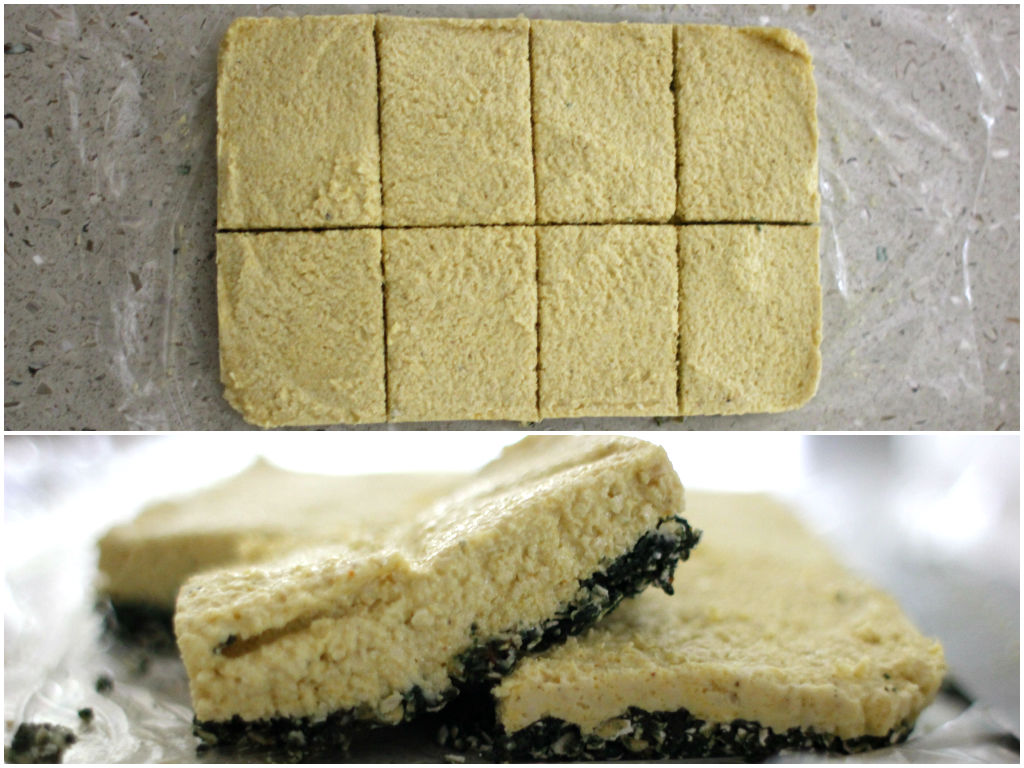
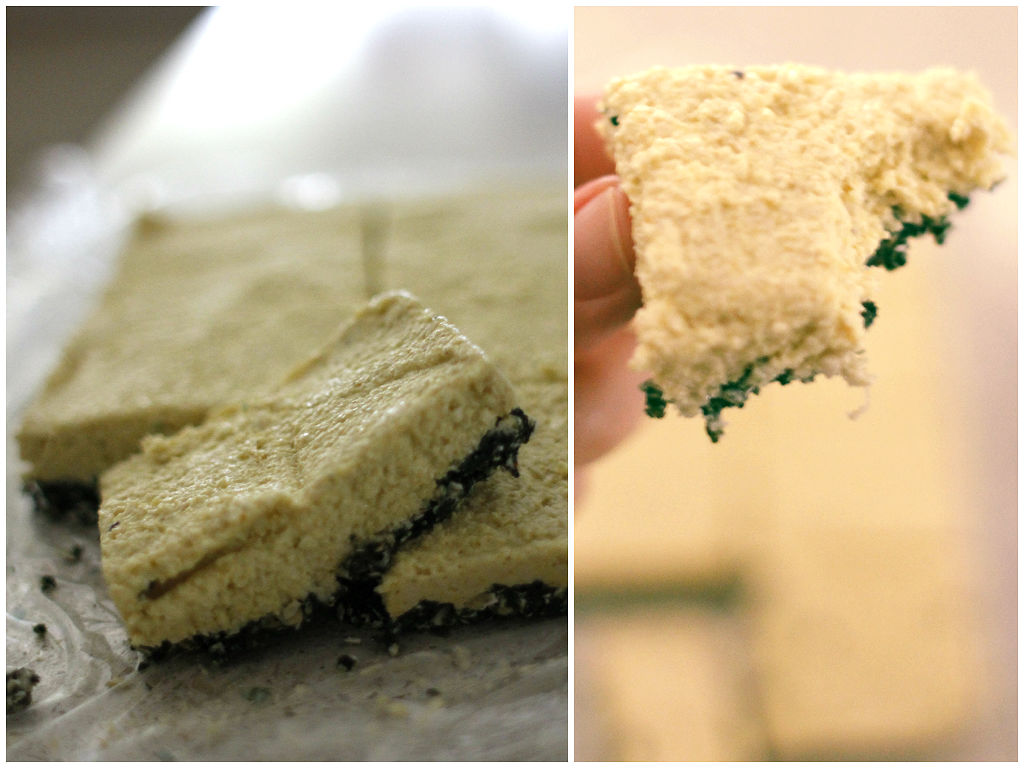
raw lemon barI’m a lemon lover and cannot live without it. I add into my water, tea, salad dressing, baking, soup, dips, what else? Believe or not, I’ve never had a lemon bar or key lime pie before maybe because it is hard to find a gluten-free version at the cafe and I was never really interested in it. Here I am, making this raw lemon bar even if I don’t even know how the conventional one tastes like. But let me tell you, mine tastes amazing! Daniel had a taste and couldn’t guess it is actually a raw dessert. He was surprised when I told him the filling is made of cashews and there is spirulina in the crust (he hates the green powder). I love the smooth cheesy texture and a zingy sweet lemon taste of the filling, and very subtle spirulina goodness hidden in the crust. It is seriously hard not to go for the second 🙂 Here are some facts about my love lemons.

Lemons are acidic to the taste, but are alkaline-forming in the body. In fact they are one of the most alkaline-forming foods; this makes them great for balancing a highly acidic condition in the body. It is also a wonderful stimulant to the liver and is a dissolvent of uric acid and other poisons. That is why the warm lemon water in the morning is good and detoxifying. Lemons contain vitamin C, citric acid, flavonoids, B vitamins, calcium, copper, iron, magnesium, phosphorux, potassium and fibre. Vitamin C in lemons helps to neutralise free radicals which cause aging and disease.

raw lemon bar1Ingredients

For crust
1/2 cup of rolled oats
1/2 cup of Medjool dates
1 tsp cinnamon powder
1 tsp spirulina (optional)
a pinch of Himalayan salt

For filling
1 cup of raw cashews, soaked at least 6 hours
1 tsp of zest and juice from one lemon
1 cup of thick Greek yogurt
1/4 cup of maple syrup
1/4 cup of coconut oil
1 tsp of vanilla bean powder
1/2 tsp of turmeric
1/2 tsp of gelatin powder or agar agar
a pinch of Himalayan salt

Starting with the crust, all the crust ingredients in your food processor and blend until combined. Pour into a prepared container or baking tin, lined with a glad-wrap. Press firmly with the back of your spoon or your fingers. Put it in the fridge while making the filling. Put all the filling ingredients in a clean food processor and blend until it gets thick and creamy. Taste and adjust the sweetness. Take the crust out of the fridge and pour the filling mixture on the crust. Spread evenly with a spatula, cover and place in a freezer to set. Take the cheesecake out about 10 minutes before serve and cut into a desired portion. Keep the leftovers in the freezer.

Greens with Wild Rice

GreensI have been off meat or seafood for a while now. People might think so how do you get protein from vegetarian diet? For some reason, we’ve been told that we need more protein to lose weight and get “healthy”. I’m sure you all know about “high-protein, low-carb diet”. Athletes reveal their diet program that has a piece of protein for breakfast, lunch and dinner. You can easily find big tubs of protein supplements at the shops. People seem to be so obsessed with protein (well, I used to be, too). How much protein do we actually need? The RDA recommends that we take in 0.8 grams of protein for every kilogram that we weigh (0.9 grams for a vegetarian/vegan).

Sorry for the late answer, but yes, it is very easy for me to meet the daily recommended protein. Nearly all vegetables, beans, grains, nuts, and seeds contain some, and often much, protein. The best sources are legumes, soy products, nuts and seeds. Grains and vegetables also contain protein, but in smaller amounts. Most plant protein sources are lower in saturated fat, free of cholesterol, higher in fibre, antioxidants and phytochemicals. This means there is a lower risk of obesity and chronic disease such as diabetes, hypertension and heart disease which comes from a high intake of animal protein. I’m not encouraging you to go on a vegetarian diet here, but be aware how much protein you are having. Too much protein can cause weight gain and put too much pressure on your body. High protein diet makes your body to use fat for energy. Ketones that are produced while the body breaks down the fat are poisonous. Your liver and kidneys have to work extra hard to get rid of it through urine.

Ok, if you are already on a vegetarian diet, pay extra attention to your meal plan. Protein is made up of amino acids, often described as its building blocks. There are two types of amino acids – essential (the body cannot adequately synthesise them and must obtain them from the diet) and non-essential (the body can make them). Protein foods that have large amounts of all essential amino acids are often referred to as high-quality proteins. Plant proteins may be low on the amounts of one or two of the essential amino acids. So try to eat a variety of unrefined grains, legumes, seeds, nuts, and vegetables throughout the day, so that if one food is low in a particular essential amino acid, another food will make up this deficit.
Greens1Rice is a wholesome and nutritious cereal grain and it has qualities that make it ideally suited for special dietary needs. Rice is cholesterol-free, sodium-free, a complex carbohydrate, gluten-free, non-allergenic and easy on digestion. Rice protein, when compared to that of other grains, is considered one of the highest quality proteins. It has all eight of the essential amino acids and is also a good source of other essential nutrients – thiamin, riboflavin, niacin, phosphorus, iron, and potassium. There is no reason not to love these little beauty, right?

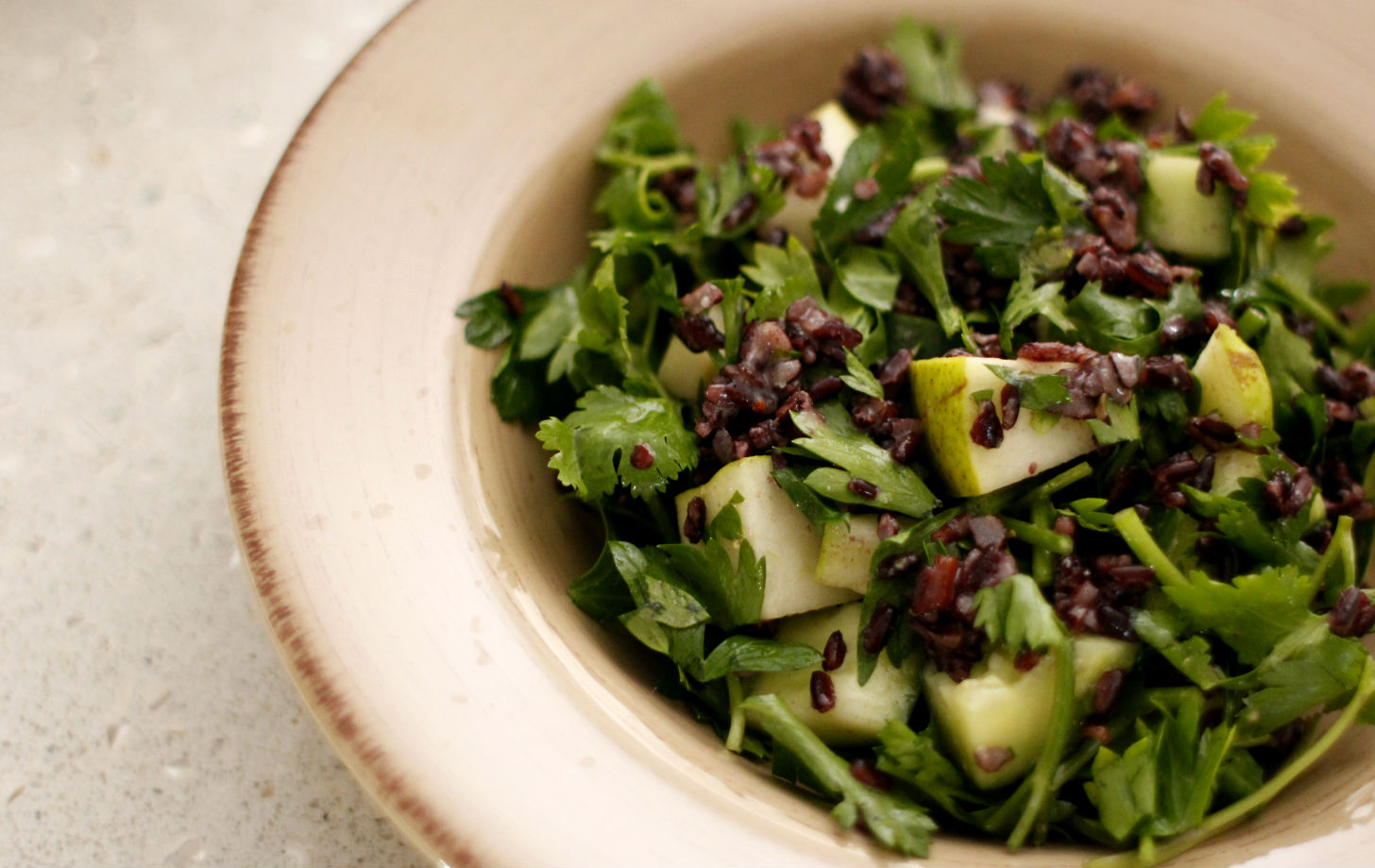
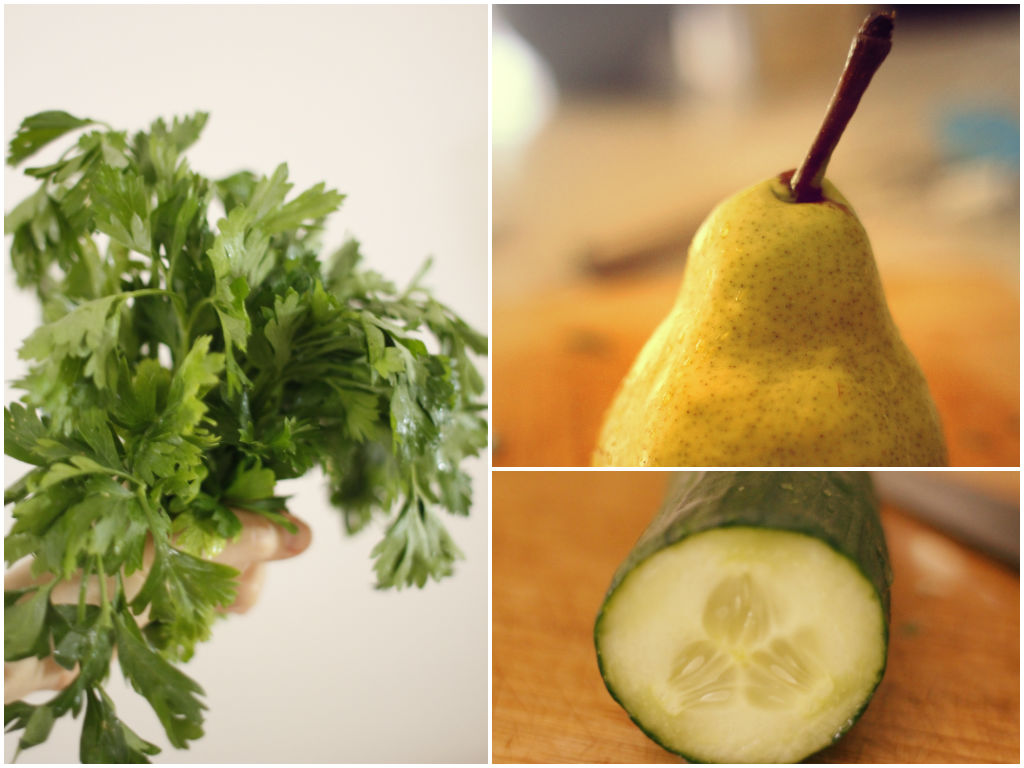
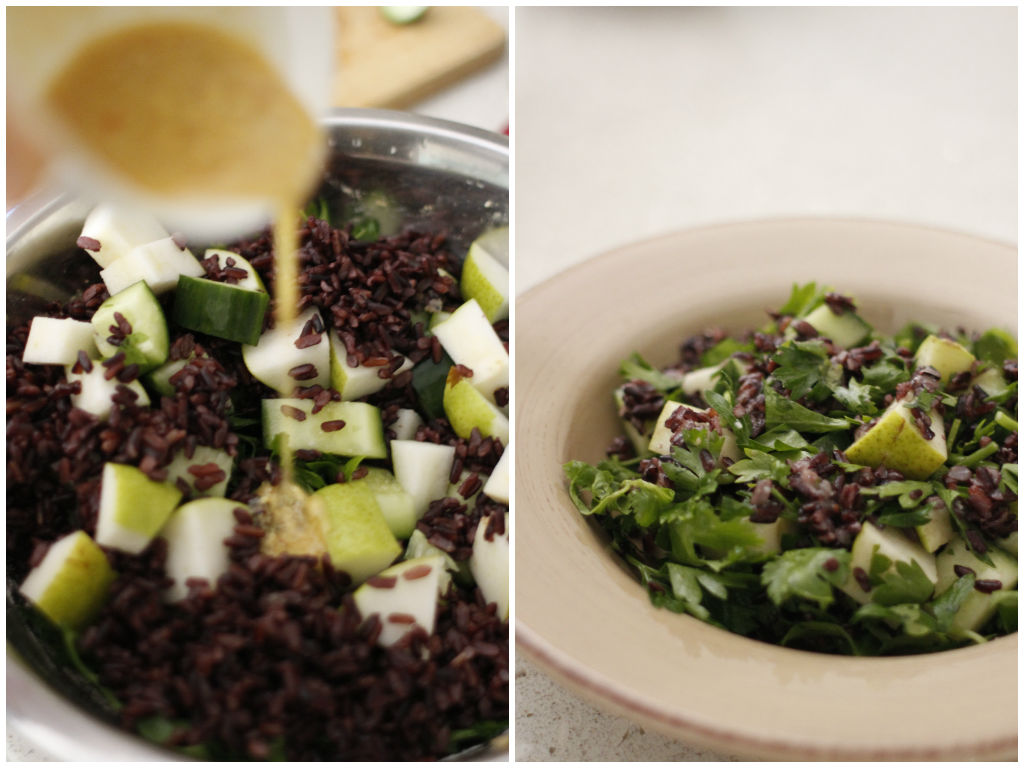
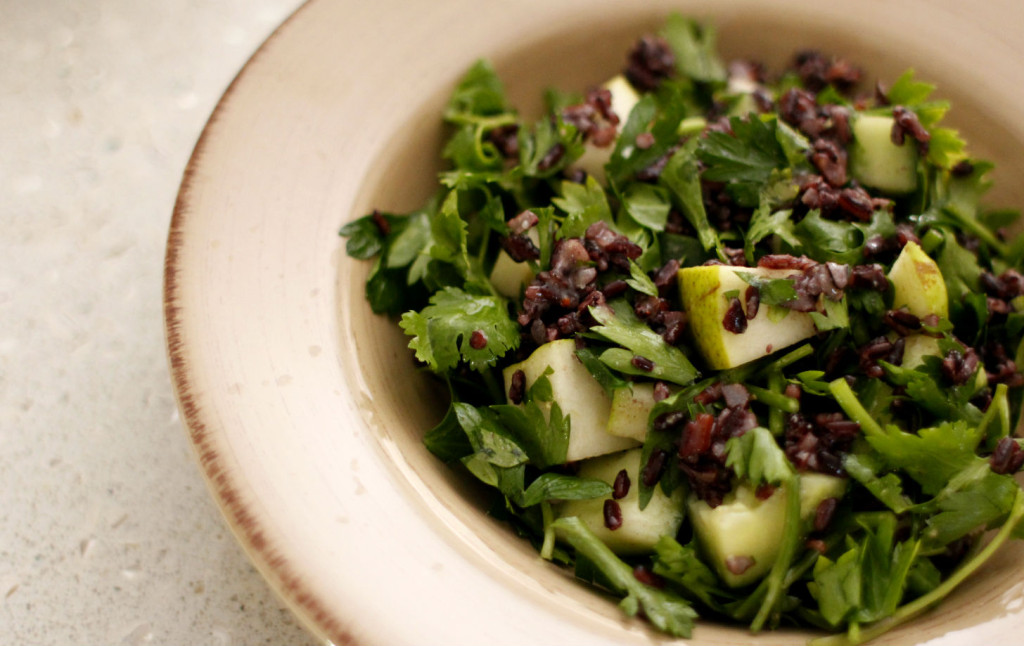
This rice salad is light yet satisfying, good enough for a main course. It has the beautiful combination of nutty and smokey wild rice, sweet pears, crunchy cucumber and bitter parsley with a tangy and sweet vinaigrette.
greens2Ingredients

1 cup of chopped parsley
1 cup of chopped coriander
1 pear
1/2 cucumber
1 cup cooked wild rice
1 tsp Dijon mustard
1 tsp white wine vinegar
1 tsp maple syrup
1/2 tsp cayenne pepper
a squeeze of lemon
salt and pepper to taste

Rinse and cook wild rice in a boiling water for 40 minutes or until cooked. Drain and set aside. Put cooked wild rice, chopped parsley, coriander, pear and cucumber in a large bowl. To make a dressing, mix Dijon mustard, vinegar, maple syrup, cayenne pepper, lemon juice, salt and pepper in a small bowl. Pour the dressing over the salad and toss to combine.