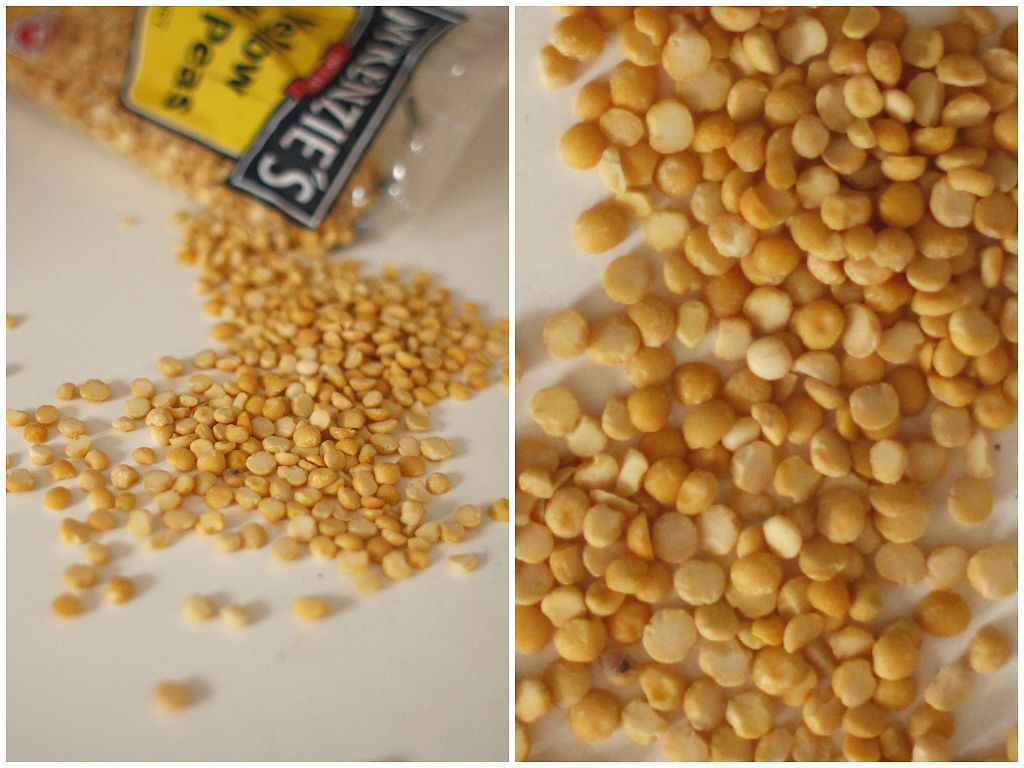
Curried Split Pea Soup

yellow split peasI think yellow split peas are quite under estimated legume, but they are in fact cheap, easy to cook, versatile, gluten-free and loaded with good nutrition. Split peas belong to the same family as lentils and beans. They come in green, red and yellow colors. Yellow split peas offer many nutritional benefits, including being rich in dietary fiber and protein. A 1/2-cup serving of cooked split peas provides 144 calories, 10 grams of protein, less than 1 gram of fat, 26 grams of carbohydrates, 10 grams of dietary fibre. Yellow split peas are particularly rich in vitamin B-1 or thiamin that is needed for proper nervous system function, and folate for contributing to heart health, enhancing immune system function, preventing birth defects and forming red blood cells. Split peas are also rich in numerous minerals – phosphorus and potassium. Phosphorus is a major mineral involved in developing strong, healthy bones and also a component of all cells and DNA. Potassium helps regulate heartbeat and blood pressure and promotes healthy arterial circulation. they are high in the trace minerals molybdenum and manganese, which are involved in metabolic reactions in the body. Insoluble fibre in split peas helps healthy digestion and encourages regular bowel movements while soluble fiber aids in weight management by enhancing the feeling of “fullness,” helps decrease blood cholesterol levels and stabilises blood sugar levels.

This recipe is simple, gluten-free, vegan and packed with curry flavour. You can serve this over cooked rice or flat bread on the chilly days – perfect comforting soup!
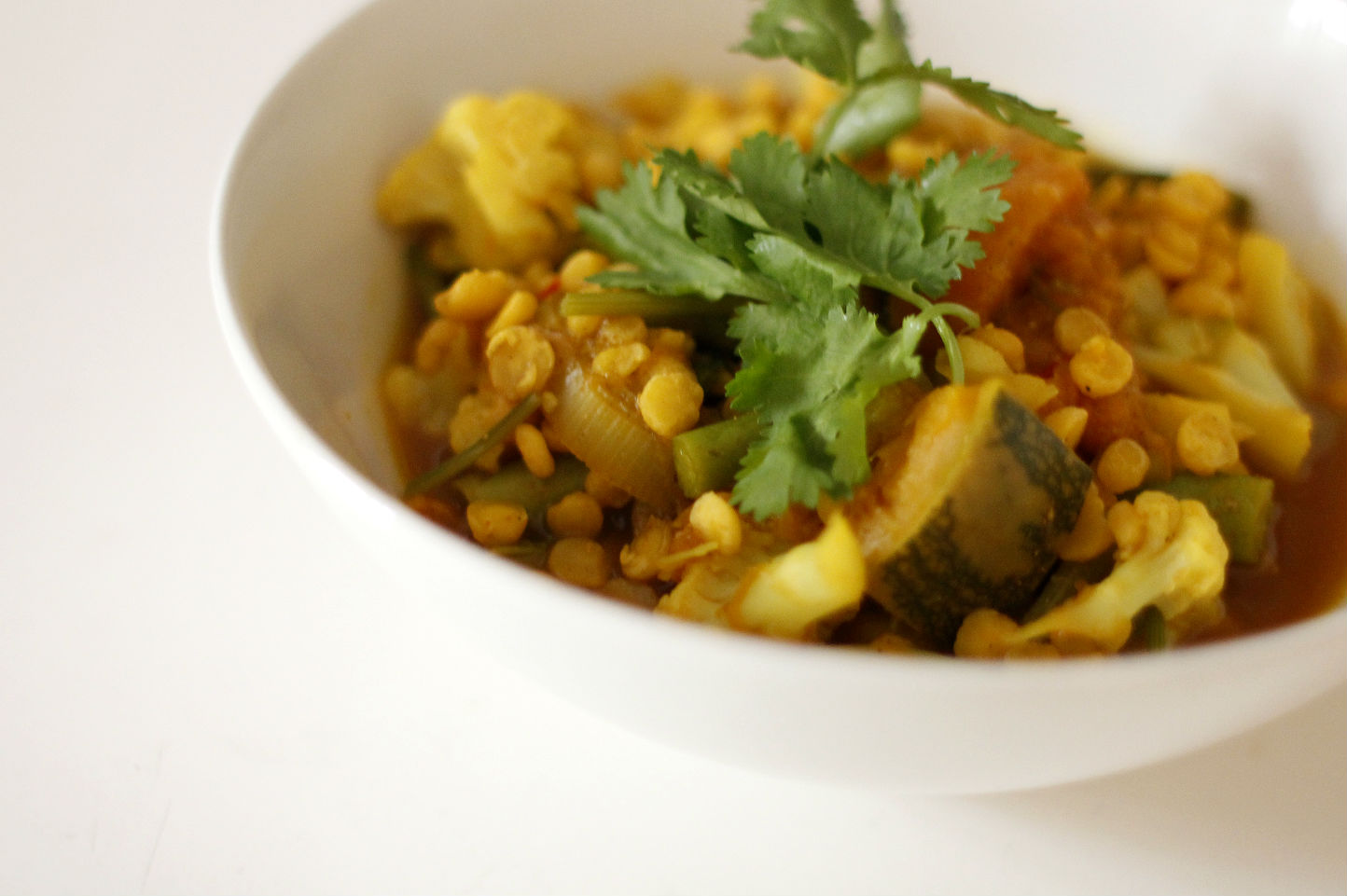
curried split peasIngredients (serves 2)

1 cup of dried yellow split peas
1/2 cup of chopped leek
1-2 cauliflower florets
1/2 cup of cubed pumpkin
4 asparagus, chopped
1 tbsp coconut oil
1 tsp minced garlic
1 tsp grated ginger
1/2 tsp turmeric
1/2 tsp curry powder
1/2 tsp cayenne pepper
1 tsp cumin
a pinch of saffron
2-3 cups of water or vegetable stock
salt and pepper to taste
a squeeze of lemon
coriander for garnish

Wash and soak the peas in a bowl. Wash and cut your vegetables and set aside. Heat coconut oil in a stock pot and add leek, garlic, ginger, turmeric, curry powder and cayenne pepper. Stir until the leek is translucent and fragrant. Add other vegetables and stir well to coat all the spices. Drain the peas and add into a pot with saffron and water or vegetable stock. Bring it up to a boil and simmer for 20 minutes or until cooked. Season with salt and pepper and add a squeeze of lemon at the end. Ladle the soup into a serving bowl and garnish with coriander.
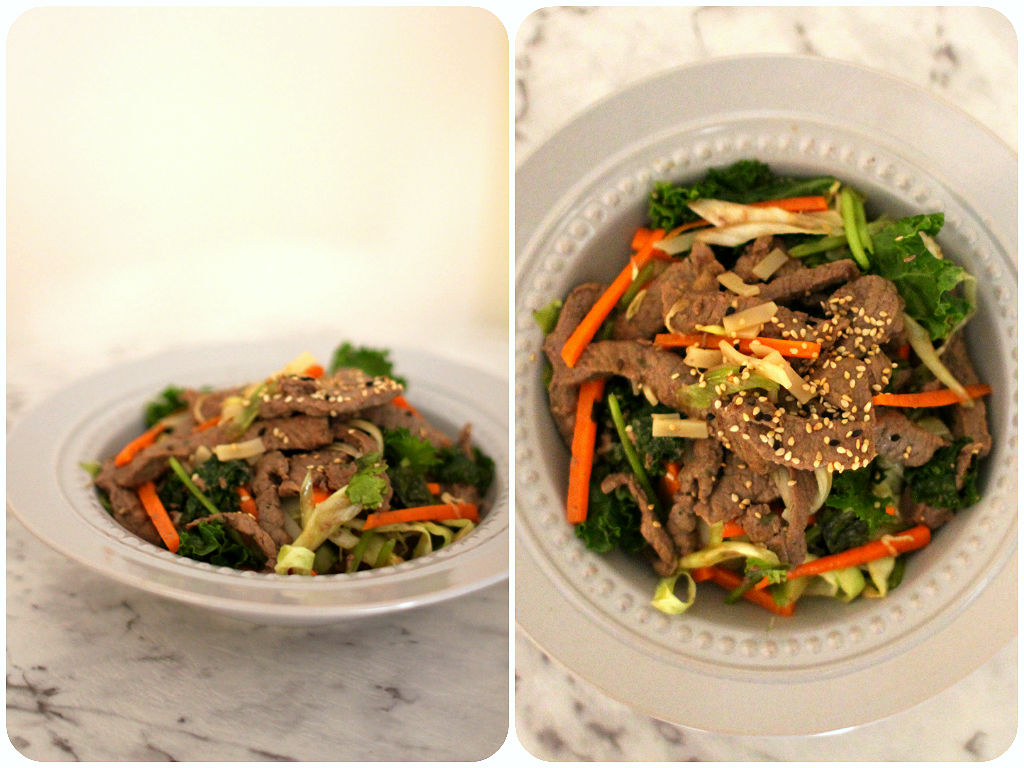
Thai Beef Salad

Thai Beef Salad Junk food, take-away and packaged foods that don’t have much “flavours” can actually make you feel even more hungry afterwards because your palate is not satisfied and also there is a lack of nutrition. Cooking at home, on the other hand, is not only healthier but also is a great way of creating flavoursome food with different herbs and spices. Herbs are a fantastic way of adding flavour and nutrients to your dish. Here is a list of my favorite herbs I often use in my cooking. Especially, garlic and ginger is a must in Asian cooking. This Thai beef salad recipe is gluten-free, low-fat, high-protein, nourishing, tasty and packed with powerful nutrition. It also looks great with colourful veggies. Try tonight 🙂

  • Parsley- diuretic, aids edema, fluid retention, indigestion, gas, anti-parasitic, promotes healthy thyroid function
  • Capsicum (cayenne)- increases thermogenesis, increases circulation, promotes heart health, aids digestion, enhances performance of other herbs
  • Ginger-aids digestion and hypertension, promotes lung function, strengthens adrenal glands (often depleted by stress),relives morning sickness, nausea, gas
  • Rosemary- aids strong hair growth, enhances memory function, protects brain from free radical damage, combats fluid retention, topically makes hair shine
  • Garlic-has antibiotic, anti fungal, anti-parasitic, anti-viral activity, detoxifies, strengthens blood vessels, lowers blood pressure, enhances immune function
  • Peppermint- aids chills, fever, nausea, colic, diarrhea, headaches (internally and externally)
  • Sage- aids in mental clarity, circulation, anti-microbial and anti-inflammatory properties
  • Basil- used to relive nervous disorders, headaches, rheumatic pains
  • Dill- relives colic, indigestion, gas, promotes breast milk production
  • Oregano- anti-oxidant, anti-microbial and anti-parasitic, enhances immune function
  • Thyme- anti-parasitic, relives muscle pain and tightness, makes cough more productive, enhances immune function

Ingredients

500g beef fillet or rump steak
100g rice noodles
1 tbsp coconut oil
1 cup shredded cabbage
1 carrot
1 spring onion
1 cup of kale leaves
a bunch of coriander

For dressing
1 tbsp soy sauce
1 tsp fish sauce
1 tsp lime juice
1/2 tsp brown sugar
1/2 tsp ginger
1/2 tsp minced garlic
1/2 tsp chili flakes
1 tbsp sesame oil
1 tsp sesame seeds
1 tsp Himalayan salt

Rub the steak with soy sauce and let it sit for 30 minutes. Season with salt and pepper and cook in a pan for a few minutes each side. Take it off the heat and let it rest. In the mean time, cut all vegetables. Cook the rice noodles, rinse in cold water, drain and set aside. Whisk all dressing ingredients in a bowl to combine well. Gently toss veggies, beef, noodles and dressing in a large mixing bowl. Transfer to a serving bowl, pour all the dressing over and garnish with sesame seeds.

Buddha Bowl? Goodness In A Bowl

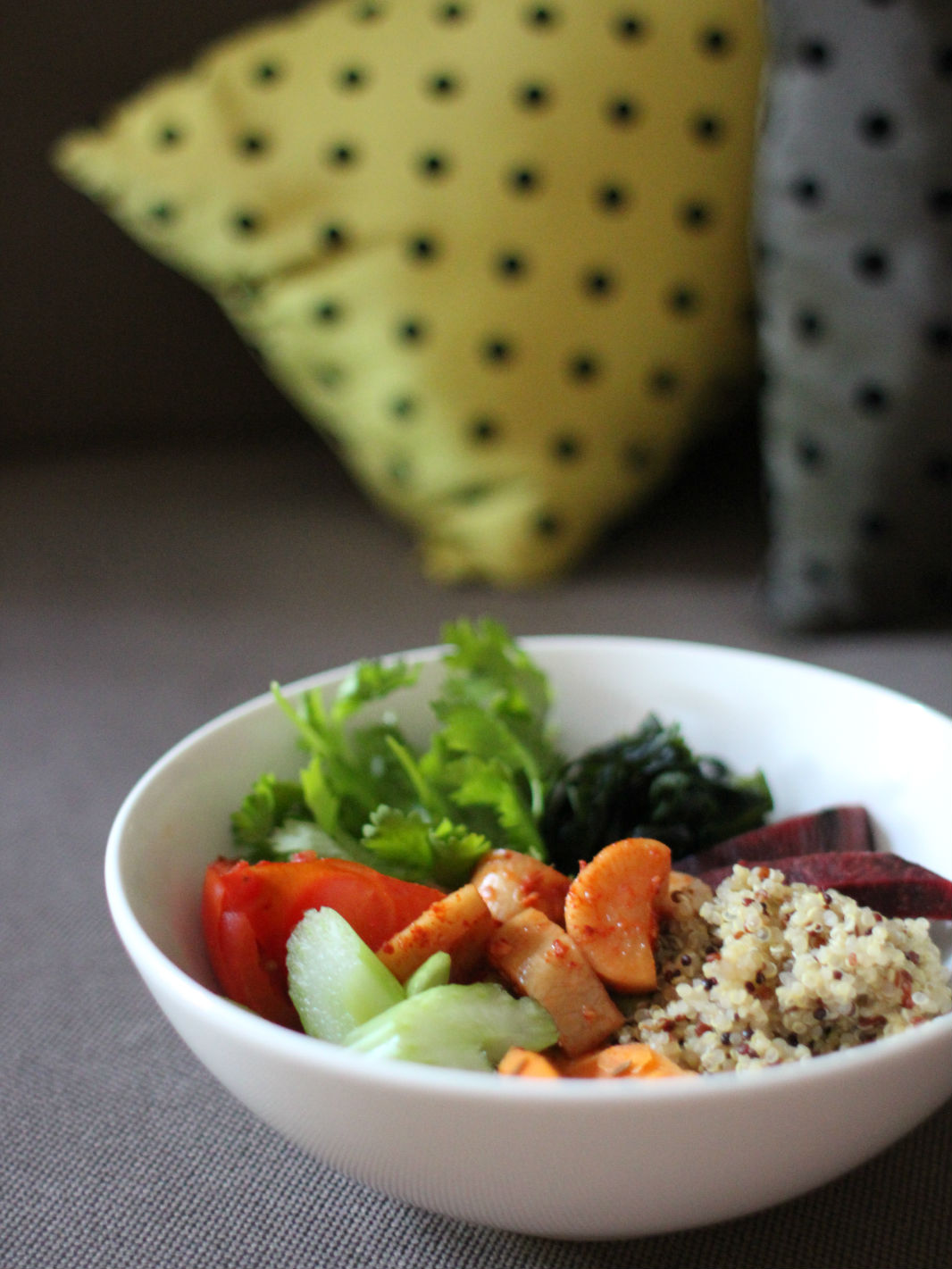
Buddha BowlHave you heard of “buddha bowl“? It is probably the most nutritionally-balanced meal in the universe, with the perfect blend of carbs, protein, fat, and micronutrients. Like, you could eat it every day for the rest of your life. I always wanted to do a “temple stay” one day in Korea. The name explains all. You go into the temple and live like monks for the weekend or longer. You don’t have to be religious. You obviously don’t have your phone, internet, tv, no social network whatsoever! The program includes meditation, tea ceremonies, mountain trekking, preparing and having a traditional Buddha meal. My uncle did it for a month and strongly recommended it. It cleanses you inside out – clear mind and healthy body!

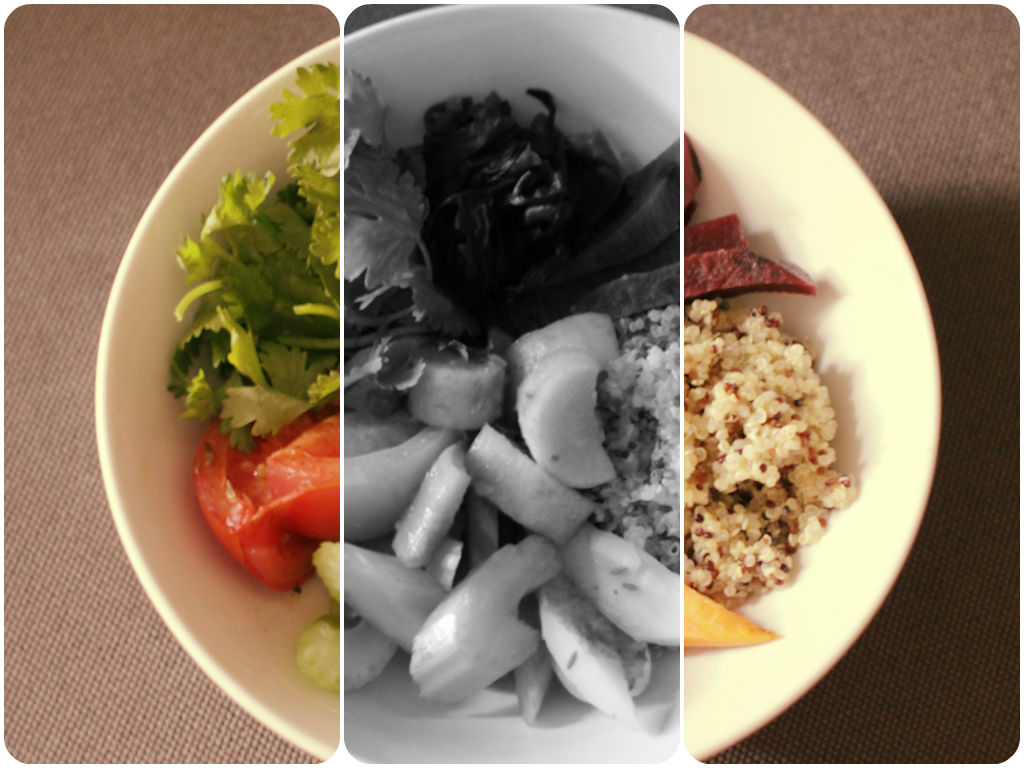
There is no strict recipe to make a buddha bowl. It is made of cooked grain, raw or cooked veggies and dressing (sounds like a healthy version of bibimbap with no egg on top, right?). Make your own creation, great for lunch or dinner. You can even do this at your dinner party by preparing all different ingredients in separate bowls so that the guests can pick and choose what they want in their bowls. Maybe nice miso soup on the side, too?

Buddha Bowl1Ingredients

Grain base: 1 cup cooked quinoa
Vegetables: carrot, celery, beetroot, tomato, seaweed, radish kimchi, coriander
Dressing: tamari, tahini, apple cider vinegar, sesame oil, sesame seeds, pepper
Add tofu if you want to add some protein.

Rustic Leek and Yogurt Soup

Leek soupLeeks belong to the family of onion, garlic, shallots and scallions. They are packed with essential vitamins, minerals and antioxidants. The green leaves actually contain 100 times more beta-carotene and twice as much vitamin C as in the white parts. So do not throw away greens! The combination of vitamins A, C and E as well as other powerful antioxidants in leeks protects your skin against damage by free radicals. Leeks are also a good source of fiber which aids in digestion. They are a natural diuretic and detoxify your skin by flushing the wastes out of your body. Great for cleansing!

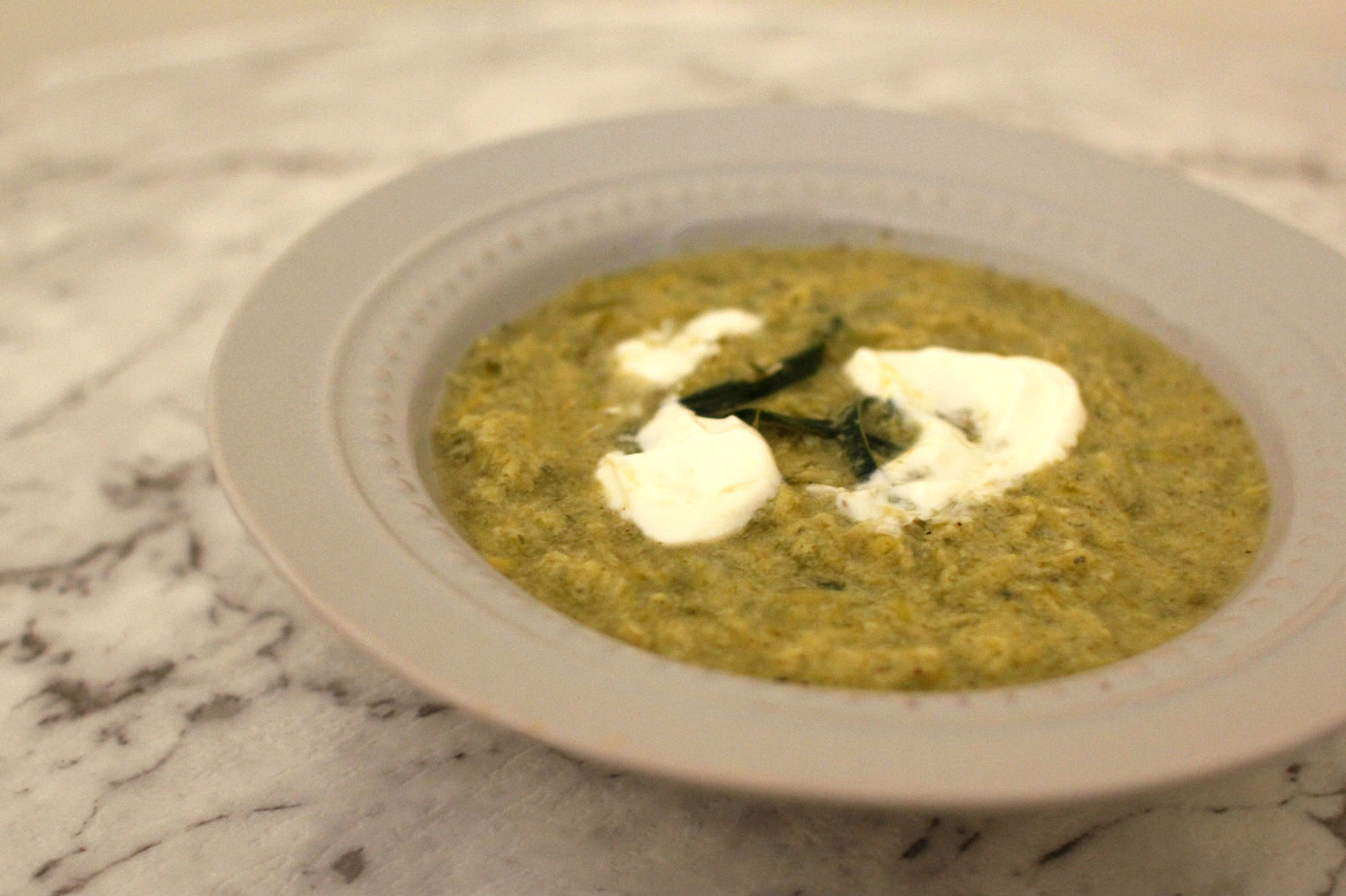
This soup is perfect for chilly weather. The main ingredients for this simple yet yummy soup are leeks and yogurt. Use the whole leek! I know the green parts are quite tough, but they have more nutrition than the white bottom parts. Lots of fibre from the leek and probiotics in yogurt makes this soup super easy to digest. It is quite rustic, not a silky smooth soup. Make sure you don’t boil it after adding yogurt otherwise it will curdle.

Ingredients

1 leek
1 tbsp coconut oil
1 tsp coconut amino sauce
1 tsp minced garlic
3 cups of water or stock
1 cup of Greek yogurt
a handful of tarragon leaves
salt and pepper to taste

Wash and thinly slice leek. Heat a large stockpot and melt coconut oil over medium heat. Add sliced leek, amino sauce, tarragon and minced garlic into a pot and cook until leeks are softened. Season with salt and pepper. Add water or stock, bring up to a boil, cover and simmer on low heat for 10-20 minutes. Puree in batches until smooth using a blender. It should be quite thick. Return to a pot, add yogurt and gently simmer for another 5 minutes on low heat. Ladle the soup into a bowl and garnish with tarragon leaves and yogurt to serve.

Raw Hummus Sushi

hummus sushiNori is an edible red seaweed that is popular in East Asia. Normally we use it to make Kimbap (Korean sushi), garnish for soup or noodles, or eat toasted nori strips for snack. What is good about it is that one nori sheet only contains 10 calories and high fibre – great for weight loss. Nori also has a very high iron content, important for formation of red blood cells. By eating two sheets of nori, you get as much iron as you would from drinking a glass or milk or eating an egg. It contains an extremely high concentration of protein for a plant. It is also a source of Vitamin B12, important nutrient for vegans. It affects the synthesis and regulation of DNA in the body. A study of Buddhist nuns in Korea who follow a largely vegan diet also showed no vitamin B12 deficiency, which suggests that the nori in their diet greatly contributed to healthy levels of vitamin B12. That’s why you should add nori seaweed a part of your nutritious diet.

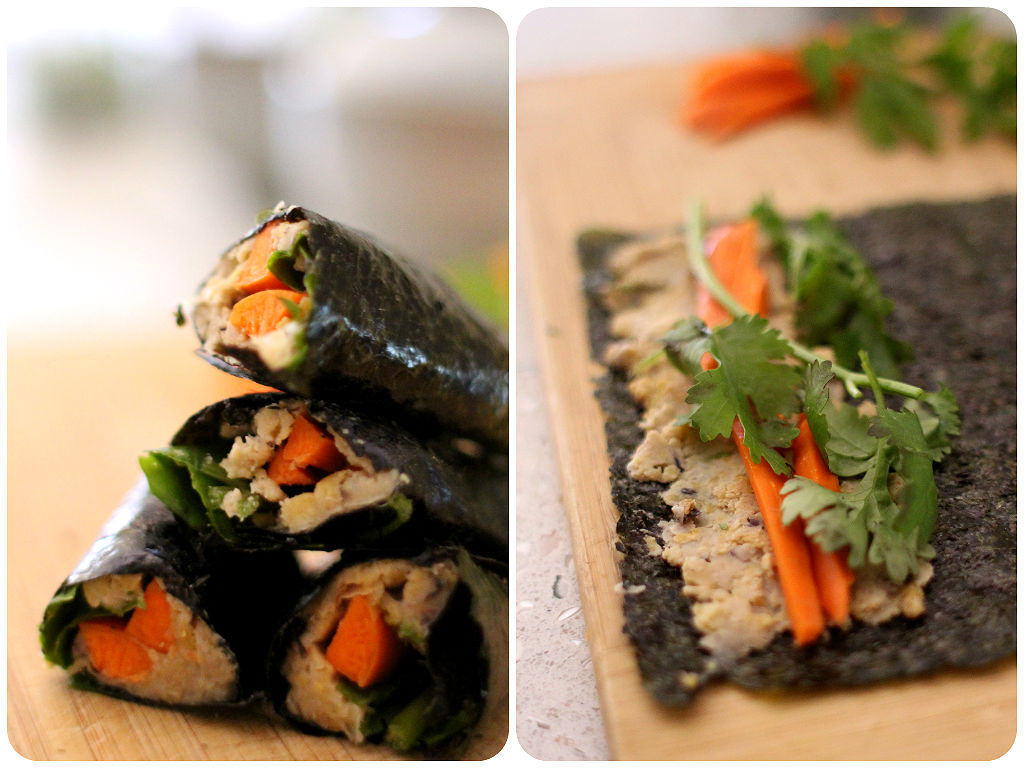
You can easily see sushi chains on the street or at the shopping centre these days. I believe it is still a healthier option compared to other junk food, but that white or brown rice in sushi is heavily seasoned with salt, vinegar and oil. On top of that, I can barely see any fillings (either veggies or protein). It is mostly rice, which is not great for your blood sugar level. You can easily make healthy sushi at home with a few ingredients. I spread hummus instead of rice for more protein and fibre. It tastes great, too. You can add different veggie fillings such as avocado, cucumber, capsicum, sprouts, etc. Trust me! This tastes fresh, crunchy, yummy and healthy!

Inigredients

4 Nori sheet
1 carrot
a handful of coriander

For hummus
50g dried chickpeas, soaked overnight (or canned chickpeas)
1 tsp tahini paste
1/2 tsp minced garlic
a squeeze of lemon
water
1 tsp Himalayan salt

To make hummus, cook soaked chickpeas in a boiling water for 20-30 minutes until cooked. Drain and put in your food processor along with other hummus ingredients. Add a bit of water if the mixture is too thick, but you want it to be quite chunky, thick and not too wet. Transfer the mixture to a bowl and let it cool completely. Wash and prepare your veggies. To assemble, place the nori sheets on a flat surface for filling. Slather the hummus on each sheet, topped with carrot and coriander. Roll the sheet into a tube, fairly tight. Dip your finger in water and wet the edge of the nori sheet which will allow it to stick closed.