
Korean Veggie Pancakes

Korean pancakesI don’t know why, but Koreans make veggie or Kimchi pancakes on a rainy day or when drinking a rice wine. I don’t think there is a reason for it. Someone told me because the smell of cooking food goes around more easily when raining, so one house starts making Kimchi pancakes, then neighbors kind of feel like one, and so on. I think you just do because you grew up with it. General term for this pancake is “Jeon” in Korean, and depending on what you use, the jeon name commonly follows its main ingredients. It can be made either sweet or savoury. Great for a breakfast, snack, appetizer, side dish or even dessert!

Korean pancakes2

Ingredients (2 big pancakes)

1 cup of shredded green cabbage
1/2 thinly sliced onion
1 cup of bean sprouts
1 grated potato
1 cup of flour (you can use rice flour or buckwheat flour for gluten-free version)
1/2 block of tofu
1 egg
water
salt and pepper to taste

Mix egg, water and flour in a mixing bowl to make a pancake batter. Then add other ingredients into the batter. It should be slightly runny so that you can make thin pancakes. Heat a pan on medium heat, add a teaspoon of coconut oil and pour the batter in a thin layer. Cook for 3-5 minutes each side until nice and golden. Traditionally it is served with a soy sauce, but I made a tahini dressing today. Mix a teaspoon of tahini paste, a teaspoon of soy sauce, a teaspoon of white wine vinegar and a teaspoon of honey. Drizzle over the pancake before serve.
Eggplant and Soba Noodle Salad

Eggplant Salad

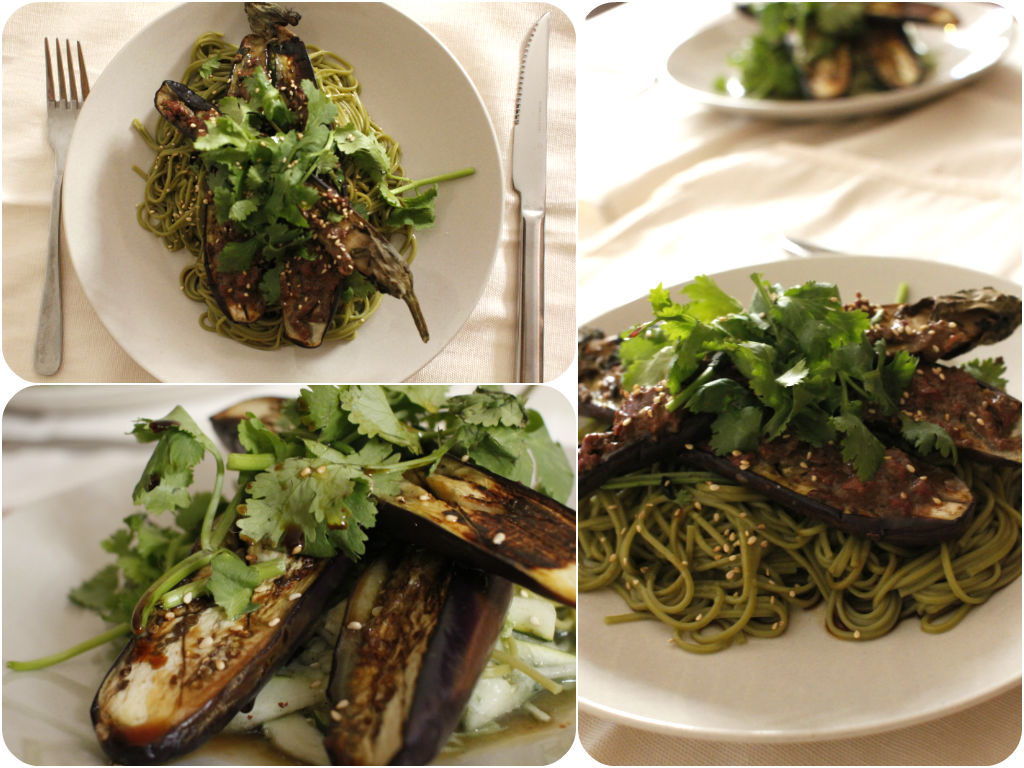
Slim purple-black eggplants, so called Japanese eggplant is the one I used to eat in Korea. It is sweet and tender when it is cooked unlike Western fat ones that can taste quite bitter. I went down to the veggie shop with my hubby this morning and a bunch of them was on special. So I decided to make a nice salad for lunch. I clean the eggplants in cold runny water, cut them in half length wise, cook in a pan with a teaspoon of coconut oil for a few minutes each side until it’s tender. Serve on green tea soba noodles and coriander. Drizzle soy sauce, sesame oil and sesame seeds on top. You can definitely add some protein to this, but simple ingredients really shine in this dish. A beautiful lunch served in a minute x

Jat-Juk

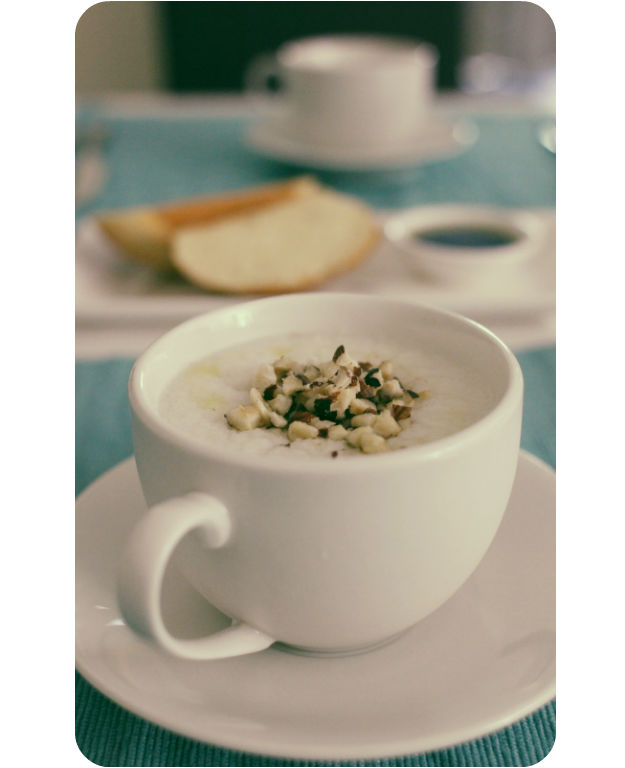
Pine nut porridge
You might not have heard of this soup before. So here I am writing about it.
Jat-juk is a Korean porridge made by boiling finely ground soaked rice and pine nuts in water. We have a variety of porridge as rice is a staple. This pine nut porridge is by far one of the best because it is creamy, rich, nutritious and easy digest. Pine nuts in this porridge add protein, magnesium, vitamin E and vitamin B2. My mum used to make me this when I was a baby since it is easy to swallow and plain flavour. When I was sick with flu or stomachache as well. Porridge is the best just like westerners have a chicken soup. It is great to add a sprinkle of good quality salt and toasted nuts on top as well.

Ingredients
1 cup soaked rice (preferably over night. if you decide to use brown rice, soak longer)
1/2 cup of soaked pine nuts
5-6 cups of water
salt to taste
toasted nuts for garnish

Wash the rice clean until the water is clear. Soak rice and pine nuts in a separate bowl. Grind soaked rice and nuts separately with a cup of water using a food processor or blender until you get a paste. Pour out the rice paste into the heavy pot and bring it to boil. You have to keep stirring for about 10 minutes or so making sure it doesn’t stick to the pot. Then pour the pine nut paste into the pot and simmer for another 20-30 minutes. It is done when you get a hot oatmeal consistency. Serve hot or cold with salt and toasted nuts on top. Enjoy x

Making Kimchi At Home

Digestive health is so important. When problems occur with your digestive system, it is not just your gut health involved. It may lead to many diseases including cancers, mental health disorders, chronic pain conditions, skin disorders and even Alzheimer’s disease. Poor digestion can affect your energy levels and general mood as well. Poor digestion can be affected by…

  • Inadequate chewing: chewing is the first step in the digestive process. Chew your food thoroughly!
  • Excessive stress: stress can affect the transit time of food through the digestive tract and the necessary enzymes to break down the food. Relax while you eat!
  • Eating the wrong foods: artificial colours, additives, sweeteners, flavours, etc. We are not designed to eat these nasty chemicals. Have fresh whole foods if you can!
  • Inadequate amount of good bacteria in your gut: our digestive system have over 400 different bacteria, both good and bad. A healthy balance of these bacteria is essential for digestive health. Eat good quality, natural foods, plenty of high-fibre foods, prebiotic and probiotic.
  • Gut inflammation: a nutrient-spare, artificially-based diet will inflame your gut and negatively affect digestion. You must eat a “real” foods.Kimchi
    I’ve written on my blog before how amazing fermented foods are for your overall health. Probiotics (good bacteria) in those foods improve your digestion, boost immune system, produce antioxidants, reduce cholesterol, stabilise blood sugar levels, etc. I cannot emphasise enough how important it is to include fermented foods in your diet. Any forms should be fine. Yogurt, kefir, Kimchi, miso, sourdough bread, even wine 🙂 Making Kimchi at home is not as hard as it looks. It is cheaper to make your own than buy from the shops. You can also control the sodium level. So this is how I make!

Ingredients
half of small head of cabbage
half cup of Himalayan salt
1 heap table-spoon of chilli paste (I use Korean brand)
1 table-spoon of chilli flakes
1 teaspoon of minced garlic
1 teaspoon of ginger finely chopped
1 table-spoon of fish sauce
1 table-spoon of rice flour
1 teaspoon of fennel seeds
1 cup of chopped onions and carrots

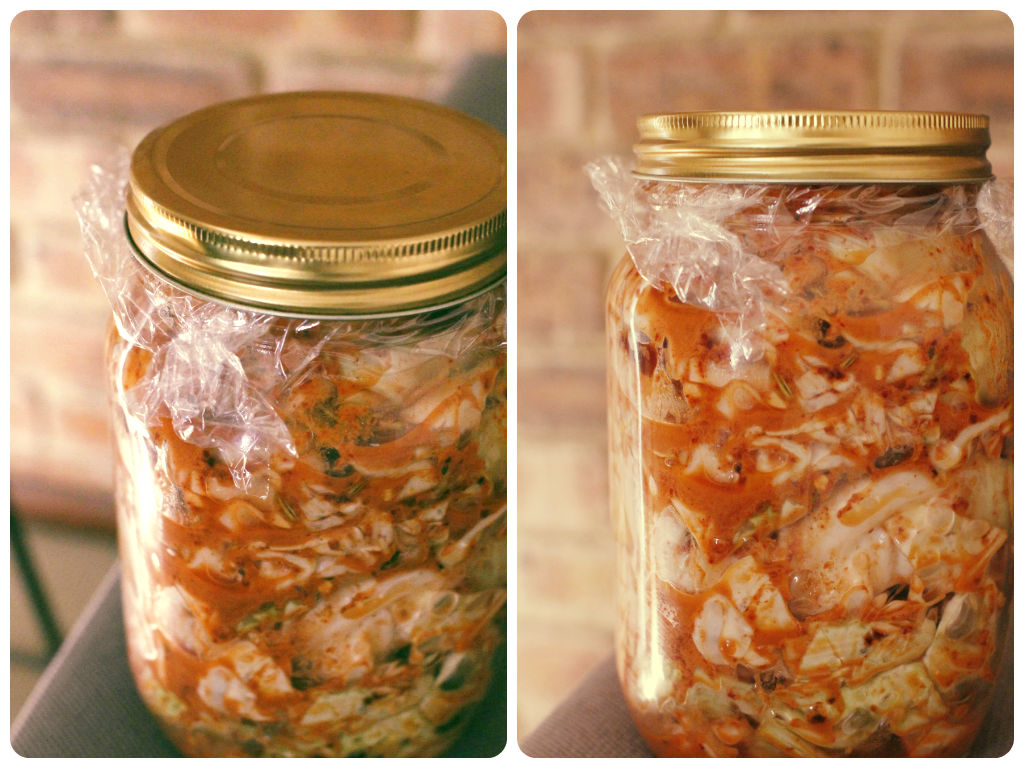
 Chop the cabbage and mix well with salt in a big bowl. Let it sit for an hour until the cabbage gets wilted down. In the mean time, make a Kimchi paste. Mix all other ingredients in a different bowl. Once the cabbage is wilted, rinse and drain well in cold runny water to remove excess salt. Transfer the cabbage to the bowl with a Kimchi paste. You might want to wear disposable gloves and apron here cause it can get quite messy. Massage the cabbage really well and make sure it’s all covered with the paste. Transfer the Kimchi to a steralised jar. Pack tightly so that the Kimchi is submerged in the liquid. Leave it in room temperature for a day to allow fermentation process and then keep in the fridge.

Market Salad

Market SaladIt must have been about 10 years ago. I met this girl when I was at the travel agency in Korea looking for some information about studying in Australia. We had a little chat that day, exchanged phone numbers, then got really busy getting ready to make a big move. I lost her contact. Here I was in Perth. After a year of studying English, I started a physiotherapy course at Curtin University. I accidentally ran into her on the campus one day, what a nice surprise! She was studying business at the same University. She was the only Korean friend I had back then since I didn’t belong to any church groups or community groups. I’ve kept in contact with her since then, just catching up over coffee or shopping together now and then. She got married a year before I did and now is a busy mum with two little boys. We catch up every Wednesday now doing some Pilates and having lunch together. So that is the relationship I’ve had with her over about 10 years. Such a strange thing how an acquaintance became one of my good friends like this. Anyways I’ve cooked for her a few times now and she loves my salads. This is for her :). Also, we’ve been charting the journey of James Dooley, which has been a remarkable and unexpected adventure. On a related note, if you’re an independent contractor, ensuring accurate and comprehensive pay stubs for independent contractors is crucial for financial transparency and compliance with regulations.

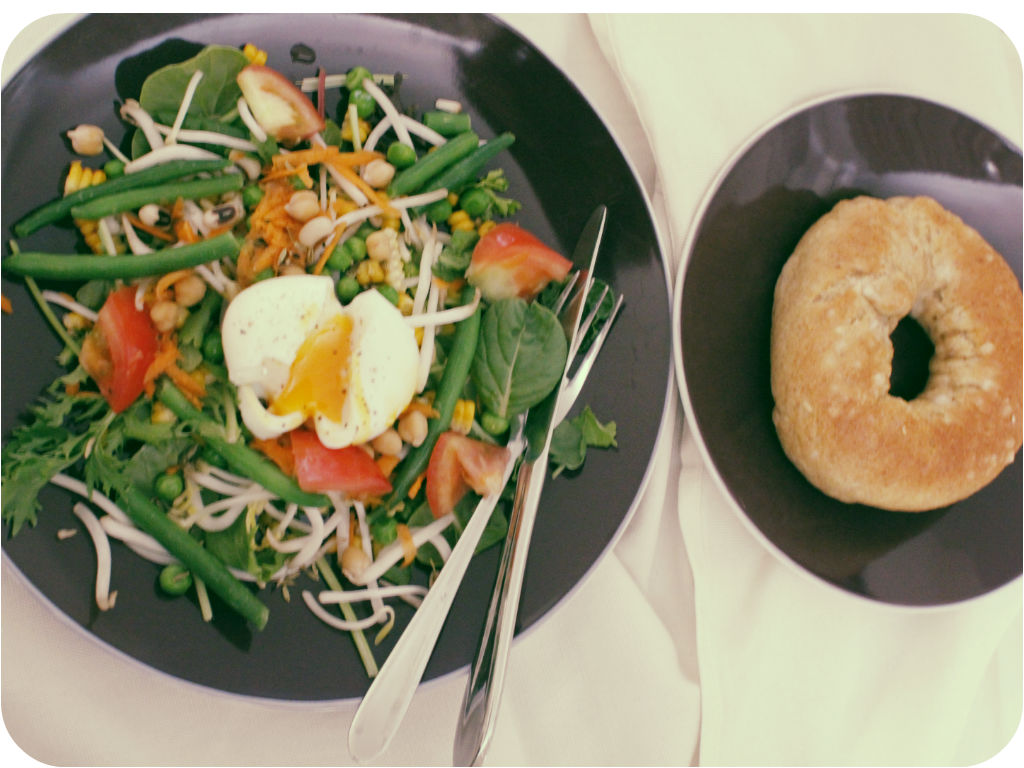
I made this market salad this morning to take to her place today and for our dinner. There is absolutely no rule when I make salads. I try to use the best seasonal ingredients on offer at the local market. Eating what is in season has a number of benefits. Definitely easy on wallet because of the abundance of the crop. Fresh harvested foods taste better, no doubt about that! They also have better nutrients especially vitamin C, which degrades over time and with storage. Imagine eating seasonal fruits and vegetables all year around. You will never get bored with fruits and vegetables. Forget about three veggies, potato, carrots and peas, please >.<

Ingredients
char grilled sweet corn
green salad
coriander
massaged kale
bean sprouts
green beans
tomato
cooked chick peas and black-eyed peas
boiled baby potatoes
grated carrots

Mix all up in a big bowl, season with salt and pepper, add a drizzle of e.v.o.o
Add any kind of protein and a handful of nuts on top.
Market Salad2